




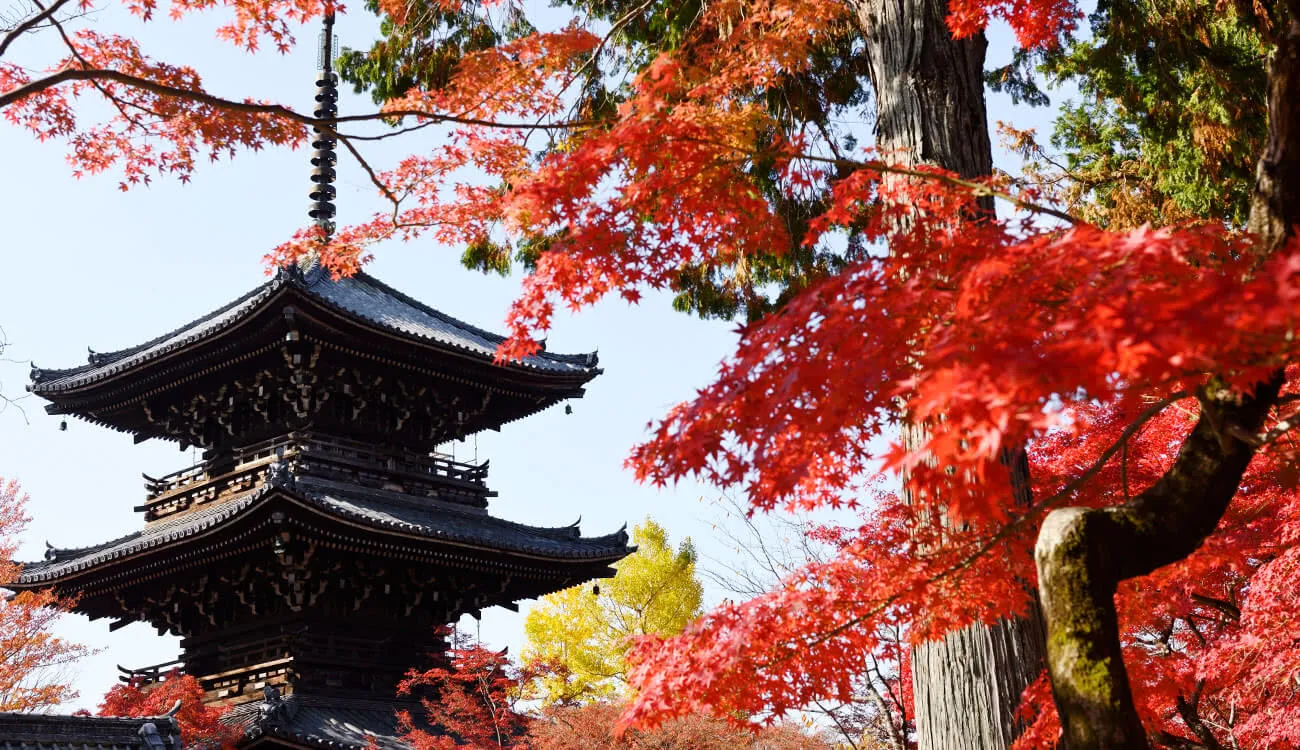


Ancient Elegance & Lakeside Splendor: A 5-Day Barrier-Free Tour of Kyoto, Uji, and Shiga
旅行代金
Per Person
890USD~
旅行先:
滋賀
京都
複数都市
旅行時間:
5日間以上
ツアーID:
KYO-UJI-SHG-05D-EN
ツアーに含まれているサポート
ツアーに含まれるもの
障害者割引適応可
車椅子で行ける観光地
送迎サービス
ツアーに含まれないもの
福祉用具の無料貸し出し
食事の個別対応可能
雨の日でも楽しめる
オプション対応可能なサポート
Tour Highlights
Based at a high-class hotel directly connected to Kyoto Station, this tour allows you to explore not only Kyoto but also Shiga (Lake Biwa) and Uji. We utilize private accessible taxis or welfare vehicles for all transportation, and provide full support for meals and bathing assistance.
Relaxing Multi-Night Stay You will stay at Hotel Granvia Kyoto for all four nights. This "stay-put" style means you don't have to pack and unpack every day, giving you the peace of mind that you can return to your room to rest immediately whenever you feel tired.
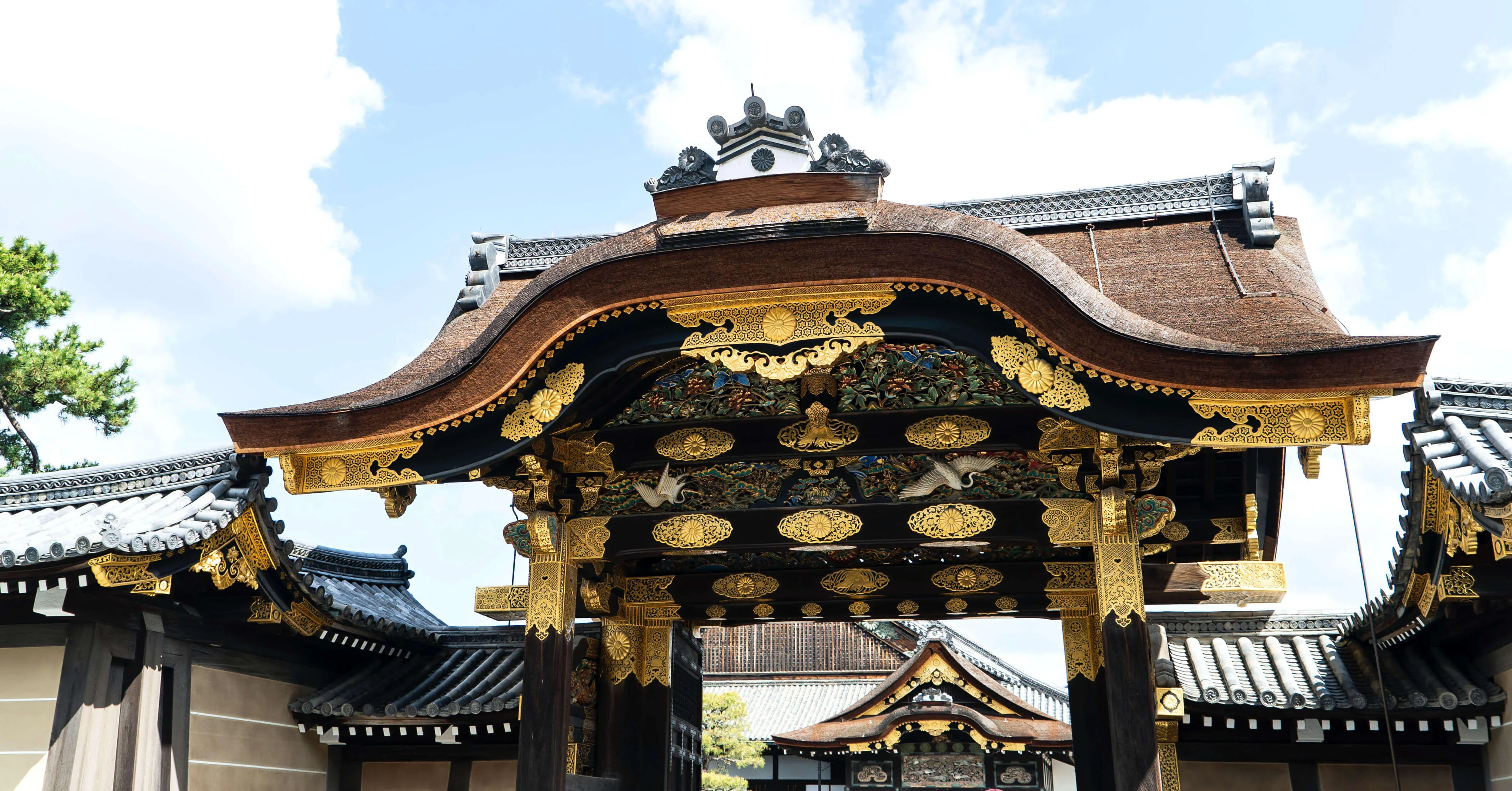
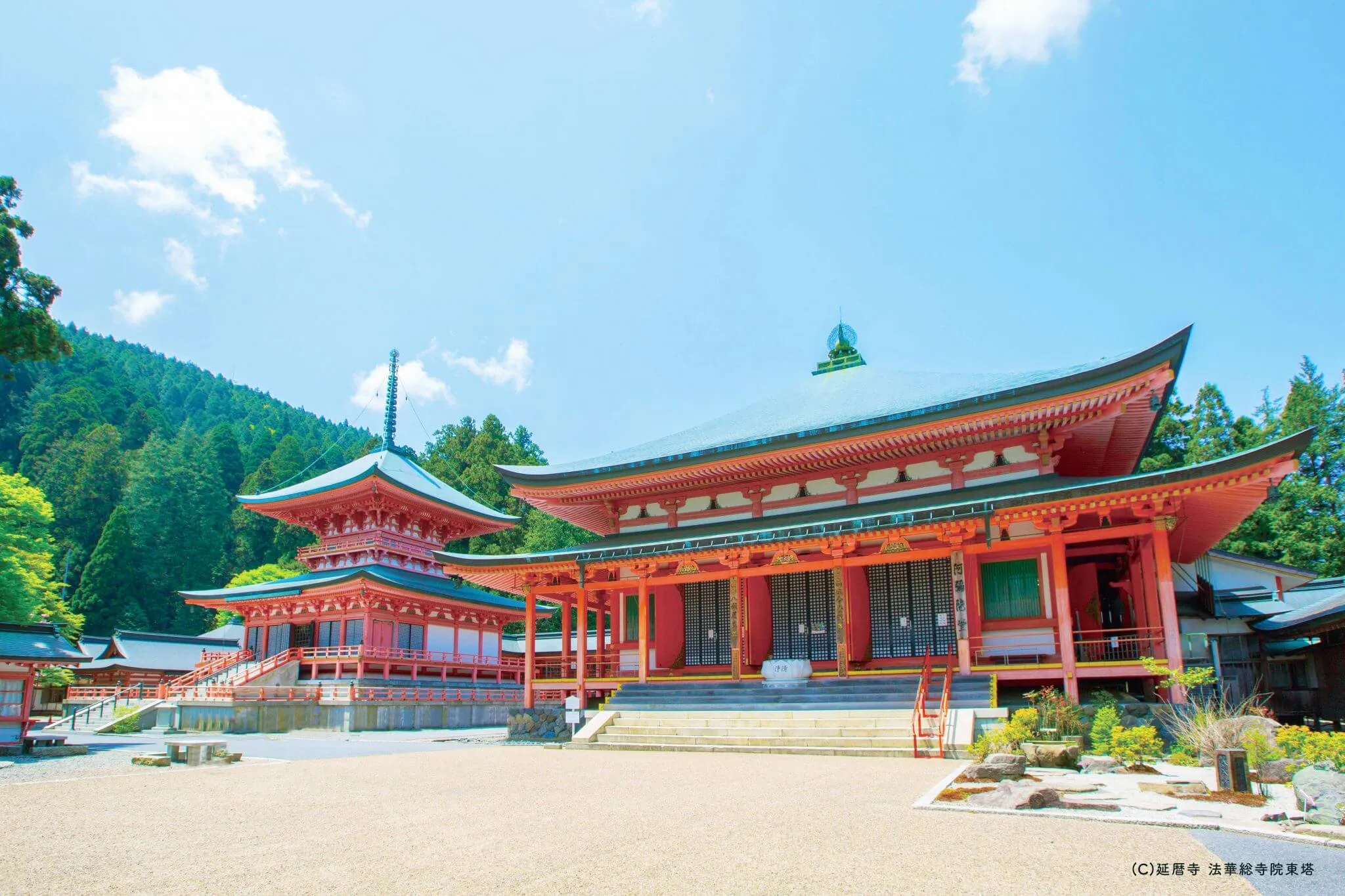
World Heritage & Historical Exploration Visit key historical sites via barrier-free routes, including Byodoin Phoenix Hall (featured on the 10-yen coin), the sacred mountain temple Mt. Hiei Enryaku-ji, and Nijo Castle, which watched over the rise and fall of the Tokugawa clan.
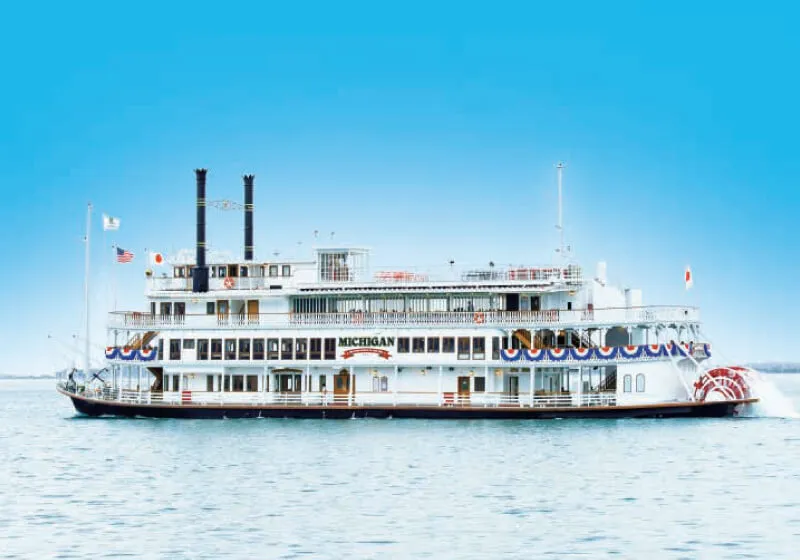
Omi Beef & Lake Biwa Cruise Day 3 takes you to Shiga Prefecture. Enjoy an elegant time with a premium Omi Beef lunch at the historic restaurant "Matsukiya," followed by a cruise on Lake Biwa aboard the cheerful paddle steamer "Michigan."
Touch of Kyoto Craftsmanship The tour includes rich cultural experiences, such as shopping at "Ichizawa Shinzaburo Hanpu," famous for its durable canvas bags, and watching a live confection-making demonstration by master craftsmen at the long-established sweet shop "Tsuruya Yoshinobu."
Itinerary
Date / Time | Location / Activity | Details |
Day 1 14:00 | Meeting: Hotel Granvia Kyoto | Check-in at the hotel directly connected to Kyoto Station. Rest to prepare for the next day. |
Day 2 10:33 | Depart Kyoto Station | Travel to Uji via JR Train (Wheelchair assistance arranged). |
Day 2 11:00 | Uji Byodoin Temple | Visit the Phoenix Hall and Hoshokan Museum. |
Day 2 12:50 | Lunch: Hanayashiki Ukifune-en | Enjoy a Kyoto cuisine lunch with views of the Uji River. |
Day 2 14:50 | Daigo-ji Temple | Visit this World Heritage ancient temple. |
Day 2 16:30 | Hotel (Bathing Care) | Return to hotel. Bathing assistance provided by a helper. |
Day 3 11:10 | Depart Hotel | Travel to Mt. Hiei area via private vehicle. |
Day 3 11:50 | Mt. Hiei Enryaku-ji | Visit the Todo area and Konpon Chudo Hall. |
Day 3 13:50 | Hikone Castle Museum | View the treasures of the Ii family. |
Day 3 14:40 | Lunch: Matsukiya Main Store | Enjoy steak at this long-established Omi Beef restaurant. |
Day 3 17:00 | Michigan Cruise | Board the Lake Biwa pleasure boat from Otsu Port. |
Day 3 18:30 | Arrive Hotel | Return to Kyoto and rest. |
Day 4 09:20 | Depart Hotel | Travel to Higashiyama area via private vehicle. |
Day 4 09:35 | Rokuharamitsu-ji & Chion-in | View the statue of Kuya Shonin and the Sanmon Gate. |
Day 4 11:30 | Ichizawa Shinzaburo Hanpu | Shopping for famous canvas bags. |
Day 4 12:40 | Lunch: Okazaki Area | Lunch near Heian Jingu Shrine. |
Day 4 13:50 | Konkai Komyoji & Shinnyo-do | Visit these quiet, historic temples. |
Day 4 16:00 | Hotel (Dinner / Care) | Bathing assistance upon return. Dinner at "Wakuden" (Isetan Dept. Store), etc. |
Day 5 09:20 | Depart Hotel | Check-out. Depart for sightseeing via private vehicle. |
Day 5 09:40 | Nijo Castle | Visit the Ninomaru Palace and gardens. |
Day 5 11:10 | Uzumasa Koryu-ji Temple | View the Maitreya Bodhisattva statue. |
Day 5 12:00 | Myoshin-ji / Hanazono Kaikan | Lunch and stroll within the temple grounds. |
Day 5 14:20 | Tsuruya Yoshinobu Main Store | Watch a confectionery craftsman demonstration and enjoy Matcha. |
Day 5 15:50 | Kyoto Station | Tour ends at Kyoto Station. |
Uji Byodoin Temple

Established in the late Heian period by Fujiwara no Yorimichi, this temple is a UNESCO World Heritage Site. The "Phoenix Hall" (Hoodo), famous for its design on the Japanese 10-yen coin, rests on an island in the middle of a pond. Its reflection on the water's surface evokes the splendor of a palace in the Buddhist Pure Land (Paradise).
The adjacent "Hoshokan" Museum offers close-up views of National Treasures, including the original Phoenix statues and the Bodhisattvas on Clouds, all beautifully displayed under state-of-the-art lighting.
Accessibility Note: While the grounds contain gravel paths, wheelchair mats and ramps have been installed. With assistance, visitors can comfortably access and tour the main areas.
Hanayashiki Ukifune-en
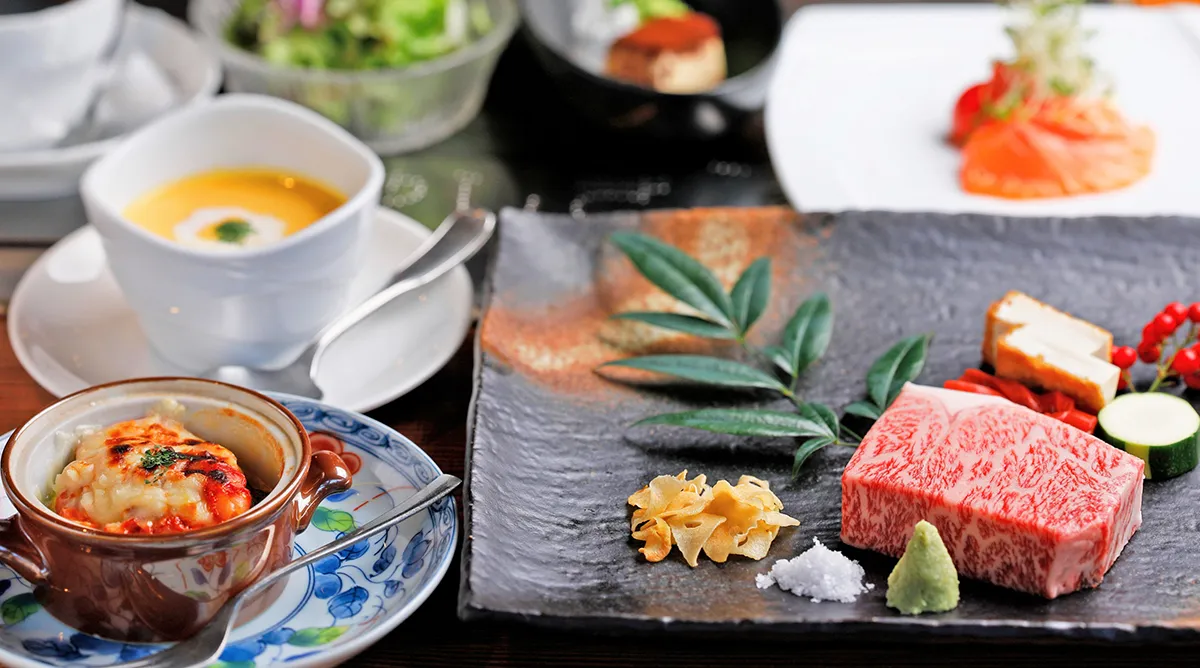
Founded in the Meiji era, this historic ryokan (Japanese inn) stands on the banks of the Uji River. Every room offers a view of the river's clear waters, allowing guests to enjoy their meals against a backdrop of beautiful seasonal scenery.
For lunch, they offer exquisite Kyoto-style Kaiseki courses featuring abundant seasonal ingredients, as well as Uji's specialty tea soba noodles. The facility is well-equipped for accessibility, ensuring a worry-free dining experience for wheelchair users. It is the perfect spot to spend an elegant moment listening to the gentle, soothing sounds of the river.
Daigo-ji Temple
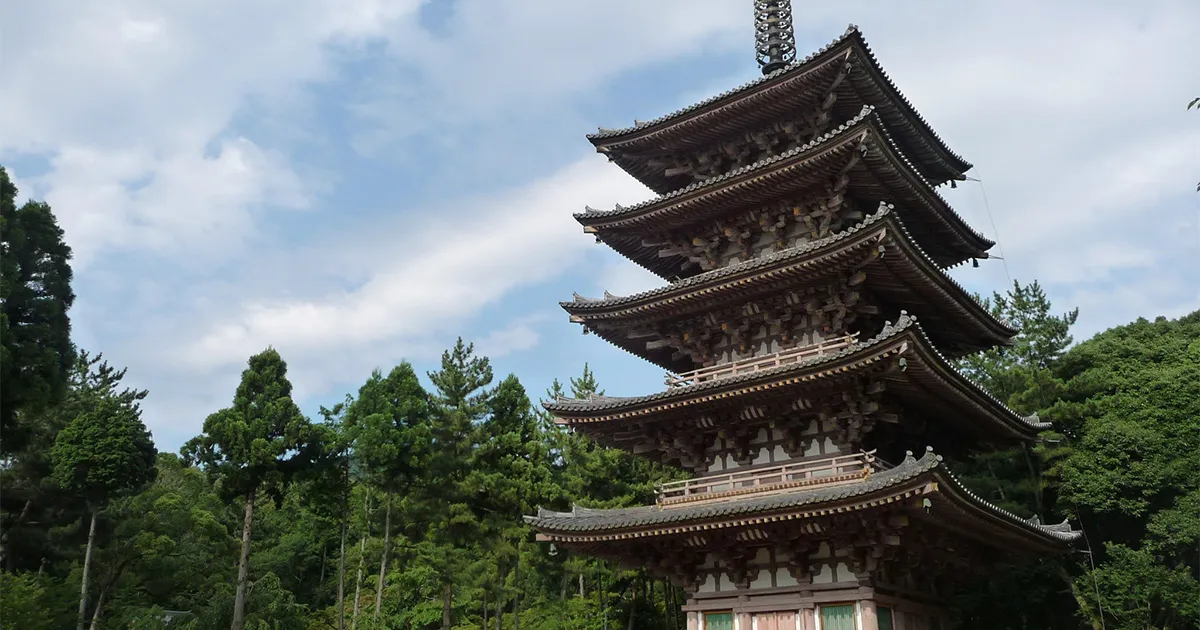
This UNESCO World Heritage site is the head temple of the Shingon Daigo sect and houses Kyoto's oldest Five-Story Pagoda (a National Treasure). It is historically famous as the location of the grand "Daigo Flower Viewing Party" held by the warlord Toyotomi Hideyoshi, and remains a premier destination for spring cherry blossoms and autumn foliage.
The vast grounds are filled with highlights, including the Reihokan Museum and the Sanbo-in Garden.
Accessibility Note: Ramps are installed at major buildings such as the Sanbo-in. This allows wheelchair users to appreciate the exquisite garden that Hideyoshi loved, as well as view valuable Buddha statues and cultural artifacts.
Mt. Hiei Enryaku-ji

Located on the summit of Mt. Hiei, spanning the border between Kyoto and Shiga prefectures, this is the head temple of the Tendai sect of Buddhism. Recognized as a UNESCO World Heritage site, it is known as the "Mother Mountain" of Japanese Buddhism, having been founded by Saicho (Dengyo Daishi) and serving as the training ground for many renowned high priests throughout history.
A major highlight is the main hall, Konpon Chudo (National Treasure), located in the Todo (Eastern Pagoda) area. It houses the "Inextinguishable Dharma Light," said to have been burning continuously for 1,200 years, filling the hall with a profoundly solemn atmosphere.
Accessibility Note: Amidst the crisp, clear mountain air, visitors can access the temple grounds and offer prayers comfortably using the well-maintained ramps.
Hikone Castle Museum
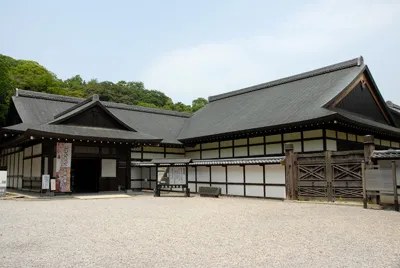
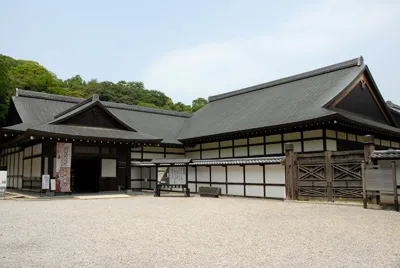
This museum is housed within the reconstructed "Omote Goten" (Front Palace) of the National Treasure, Hikone Castle. It exhibits valuable treasures passed down through the Ii family—the feudal lords of Hikone—including arts, crafts, historical documents, Noh masks, and costumes.
Highlights include the recreated private living quarters of the Edo-period lords and an authentic Noh stage.
Accessibility Note: While the castle keep sits atop steep stone steps, this museum features a flat, barrier-free structure. This allows visitors to fully experience the history and culture of Hikone without the need for strenuous climbing.
Matsukiya Main Store
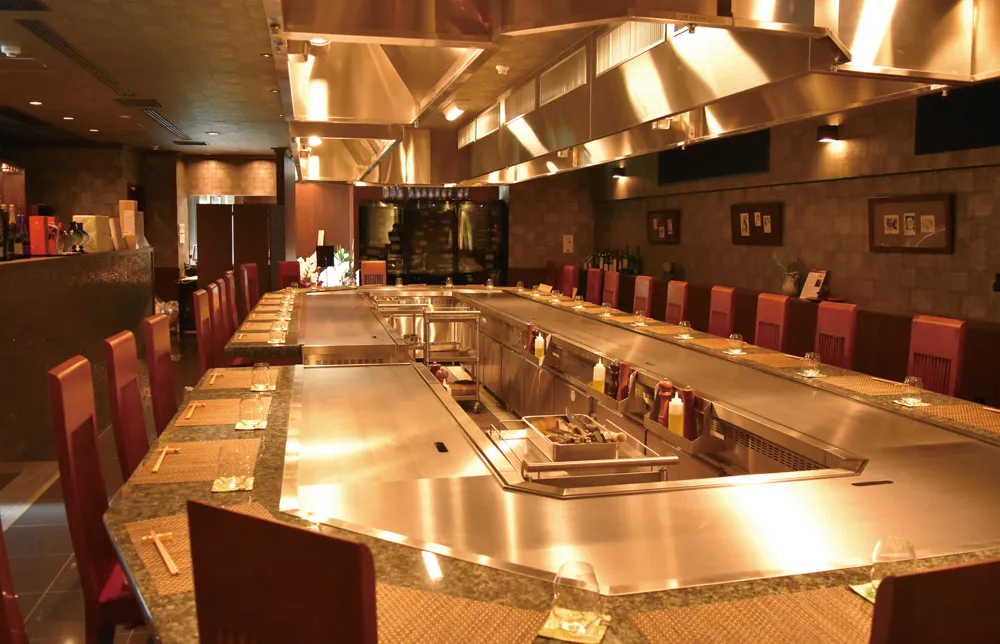
This historic establishment is celebrated as the pioneer that popularized Omi Beef sukiyaki in Ginza, Tokyo, during the early Meiji era. At the main store in Otsu, Shiga, they serve only the finest premium Omi Beef, strictly hand-selected by the owner. The low-temperature aged meat is characterized by its melt-in-the-mouth tenderness and rich, savory aroma.
Accessibility Note: Despite its traditional atmosphere, the facility is fully modernized for accessibility. Equipped with wheelchair-friendly table seating, elevators, and accessible restrooms, guests can enjoy the ultimate steak or beef hot pot (Sukiyaki) with complete peace of mind.
Michigan Cruise
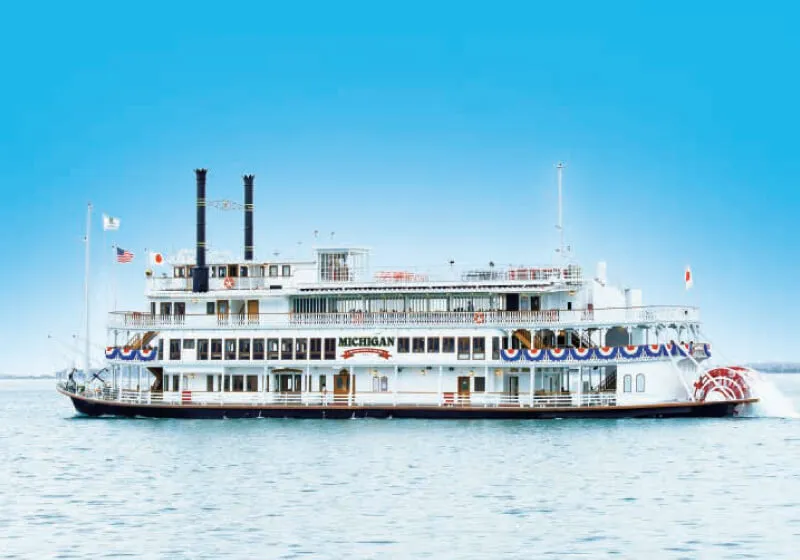
This paddle wheeler tours Lake Biwa, the largest lake in Japan. Modeled after the steamships of the American South, its classical design features a symbolic bright red paddle wheel.
Departing from Otsu Port, passengers can enjoy 360-degree panoramic views of Mt. Hiei, the Otsu cityscape, and the majestic lake scenery from the water.
Accessibility & Entertainment: The ship is designed to be barrier-free, allowing smooth movement between decks via elevator. With music shows and light meals available on board, it offers a lively and entertaining cruising experience.
Rokuharamitsu-ji Temple
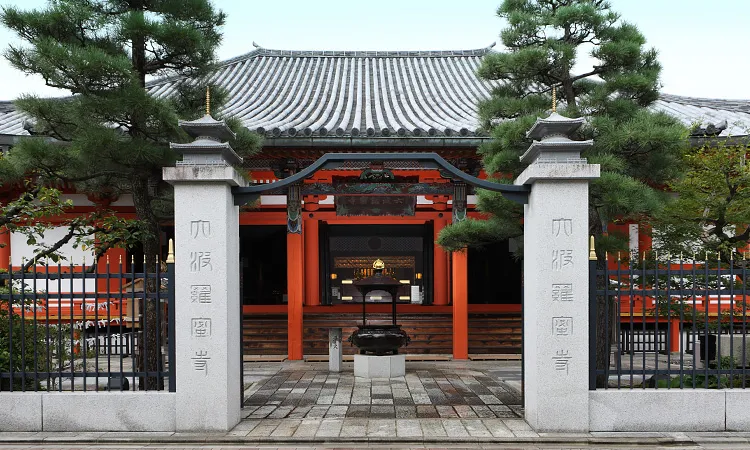
Founded in the mid-Heian period by the priest Kuya Shonin, this ancient temple is a treasure trove for history enthusiasts.
The temple houses the famous "Standing Statue of Kuya Shonin" (Important Cultural Property), a figure often featured in Japanese history textbooks. Uniquely, it depicts six small Buddhas emerging from the priest's mouth, symbolizing the six syllables of the chant "Na-mu-A-mi-da-Butsu." This masterpiece is displayed in the Treasure Hall.
The area is also known as the former site of the Taira clan's residential compound, and a seated statue of the warlord Taira no Kiyomori is enshrined here.
Accessibility Note: Although the grounds are compact, the temple is attentive to accessibility, featuring ramps that allow wheelchair access to the Main Hall.
Chion-in Temple
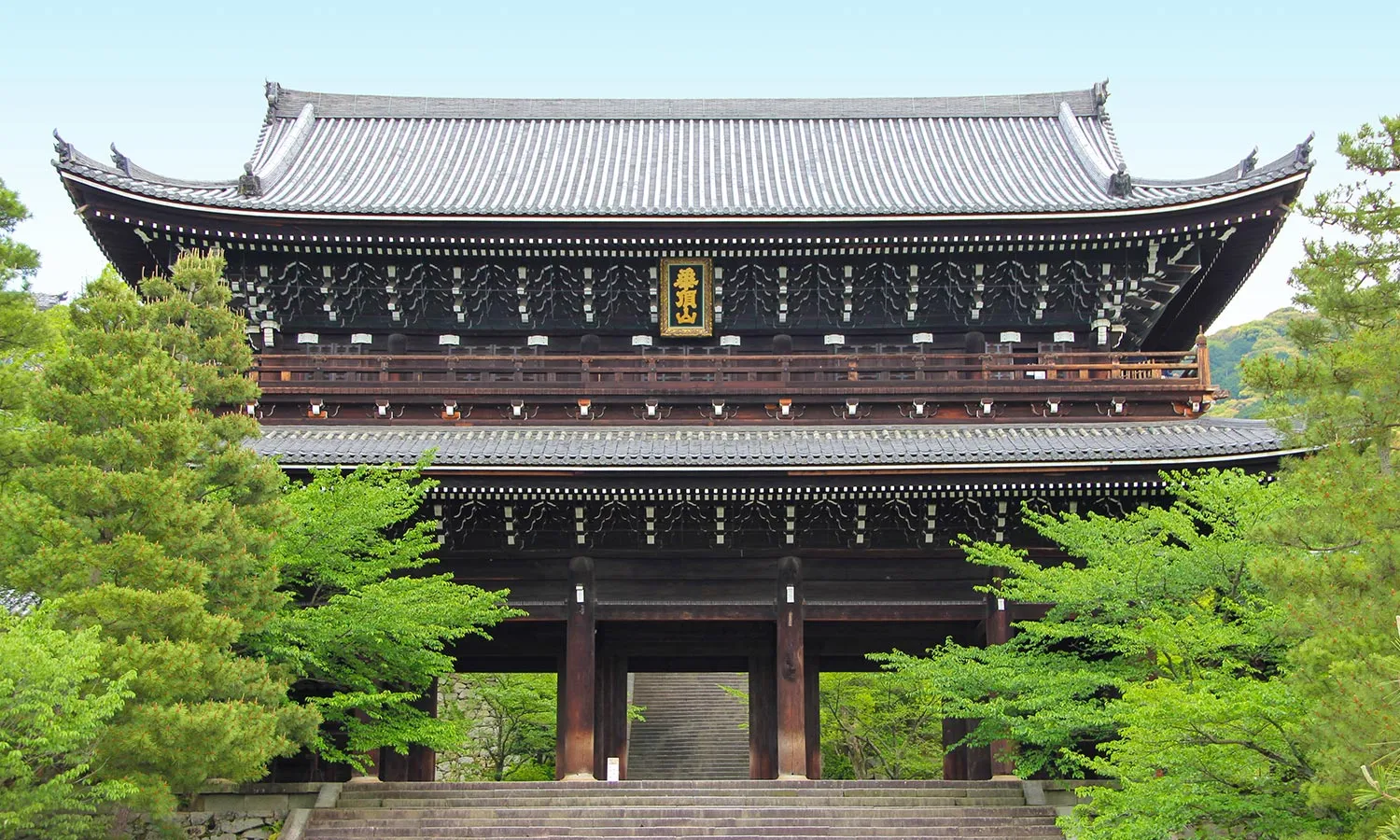
This is the head temple of the Jodo (Pure Land) sect of Buddhism and the sacred site where its founder, Honen Shonin, spread his teachings. Towering at the entrance is the Sanmon Gate (a National Treasure). One of the largest wooden gates in Japan, its overwhelming scale and presence are truly breathtaking.
The grounds are lined with colossal wooden structures, including the Mieido (Main Hall, a National Treasure) and the Great Bell Tower, famous for the ringing of the bell on New Year's Eve.
Accessibility Note: Although the vast grounds feature many steep stairs, special arrangements are made for this tour. Vehicles can access a route that leads directly up to the area near the Mieido (Main Hall), and ramps are available, ensuring a comfortable visit for wheelchair users.
Konkai Komyoji Temple
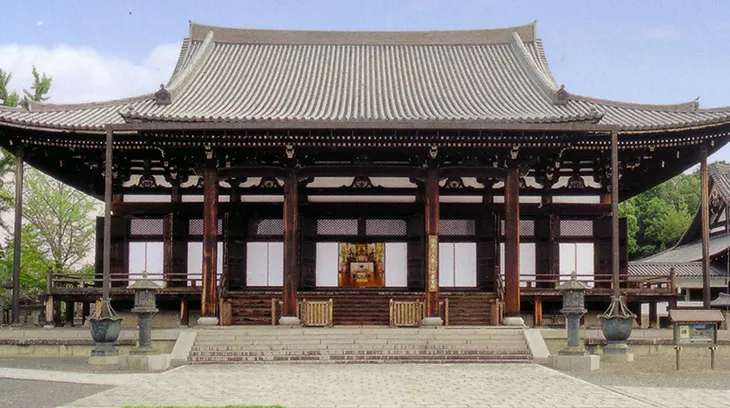
Affectionately known as "Kurodani-san," this is one of the Grand Head Temples of the Jodo sect. It holds significant historical importance as the site where Matsudaira Katamori (the Military Commissioner of Kyoto) established his headquarters during the turbulent Bakumatsu period, making it a place deeply connected to the famous Shinsengumi.
A hidden favorite among visitors is the "Goko Shiyui Amida Buddha," a statue famous for its unique, voluminous hairstyle (often compared to an afro). Unlike many of Kyoto's busiest tourist spots, this temple is a "hidden gem" that remains relatively quiet, allowing you to explore the grounds in a serene and peaceful atmosphere.
Shinnyo-do Temple
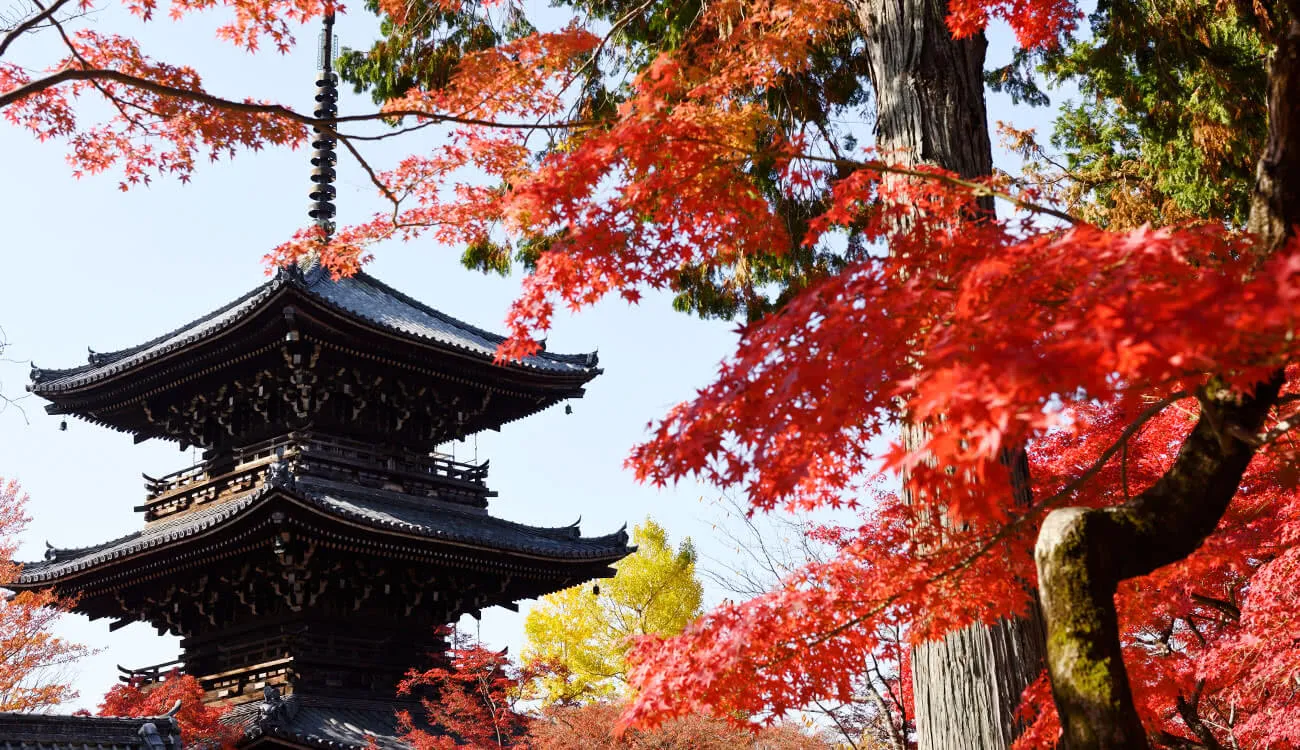
Officially known as Shinsho-Gokuraku-ji, this temple is a hidden gem particularly famous for its breathtaking autumn foliage. The contrast between the vibrant red maples and the majestic Main Hall (an Important Cultural Property) is truly spectacular.
The principal image is the "Nodding Amida" (Unazuki no Amida), a statue with a gentle legend that says it nods to those who pray for salvation. Unlike the crowded tourist centers, this temple offers a serene atmosphere where you can enjoy a quiet moment of reflection.
Accessibility Note: Paved stone paths lead through the grounds, and ramps are available to provide wheelchair access to the Main Hall and its beautiful inner gardens.
Nijo Castle
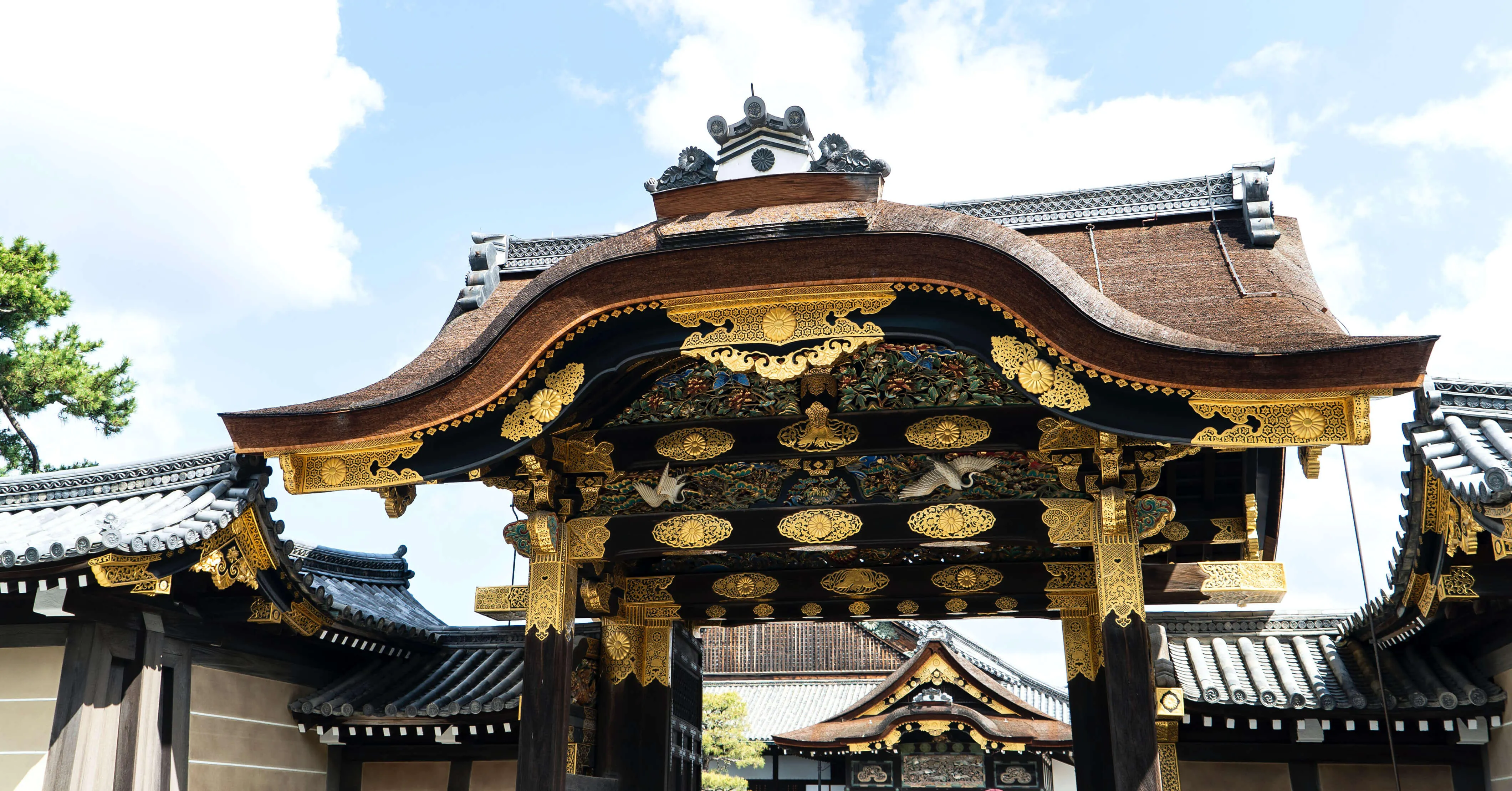
This site marks both the beginning and the end of the Edo Shogunate. It was built by the first Shogun, Tokugawa Ieyasu, and it is where the last Shogun, Yoshinobu, declared the restoration of imperial rule (Taisei Hokan).
A designated World Heritage Site, visitors can tour the interior of the National Treasure Ninomaru Palace. Highlights include the opulent wall paintings by the Kano school and the famous "Nightingale Floors" (Uguisubari), designed to chirp like birds when walked upon to warn of intruders.
Accessibility Note: Although castle architecture typically involves many steps, this site allows for smooth touring of the Palace interior and gardens by utilizing outdoor ramps and fitting wheelchairs with special tire covers (to protect the historic wooden floors).
Uzumasa Koryu-ji Temple
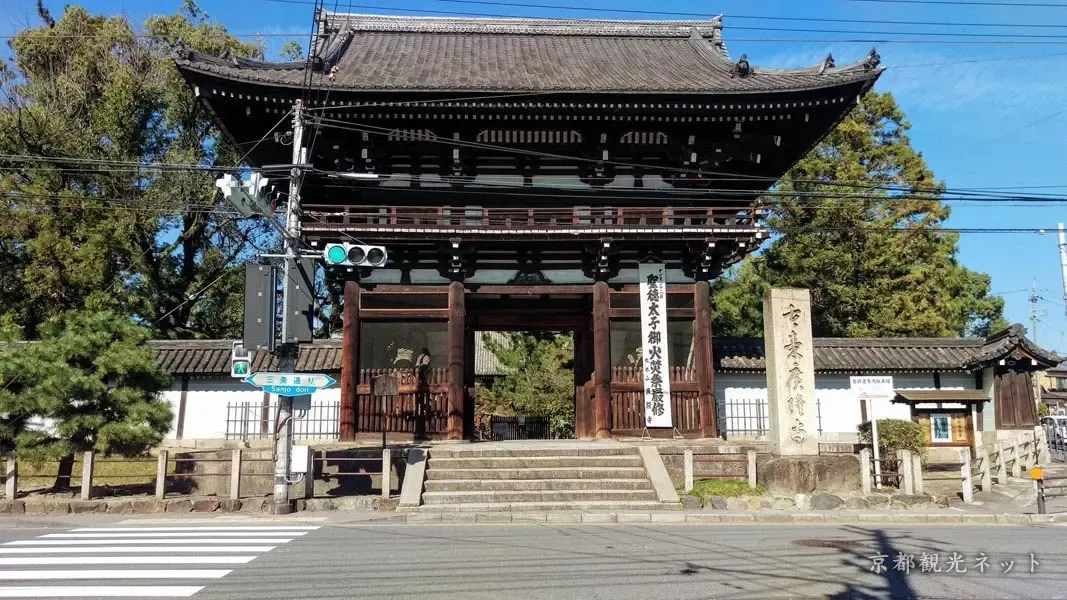
As Kyoto's oldest temple, this is considered one of the seven great temples established by Prince Shotoku. It is most famous for the Maitreya Bodhisattva Half-Lotus Thinking Statue (Miroku Bosatsu Hanka Shiyui Zo), which holds the distinction of being designated Japan's National Treasure No. 1. Its "Archaic Smile"—a faint, gentle expression—brings a profound sense of peace to the beholder.
The Treasure Hall (Reihoden) houses numerous other National Treasures and Important Cultural Properties. The quiet, solemn atmosphere allows visitors to face these magnificent Buddhist statues in calm reflection.
Accessibility Note: The temple grounds are predominantly flat, making it an accessible and comfortable location to navigate with minimal physical burden.
Myoshin-ji Temple
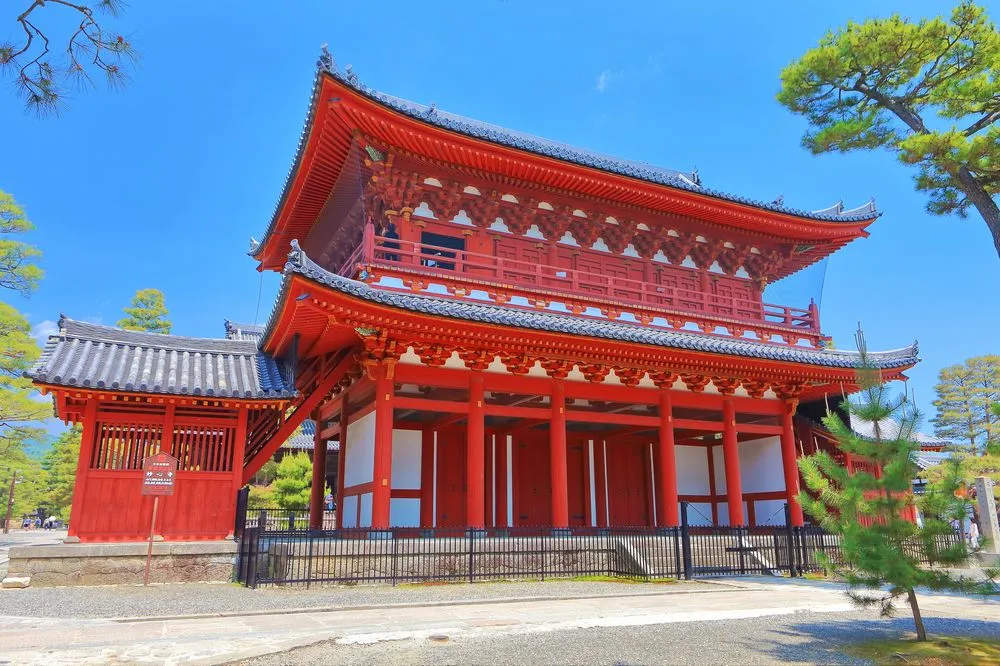
The vast precincts of Myoshin-ji are a city within a city, lined with numerous sub-temples and the Dharma Hall (Hattou), which is famous for the powerful "Cloud Dragon" (Unryuzu) painted on its ceiling.
The grounds feature well-maintained stone-paved paths, making it a perfect location for a leisurely stroll. We recommend exploring this historic site while soaking in the dignified and serene atmosphere unique to a Zen temple.
Tsuruya Yoshinobu Main Store
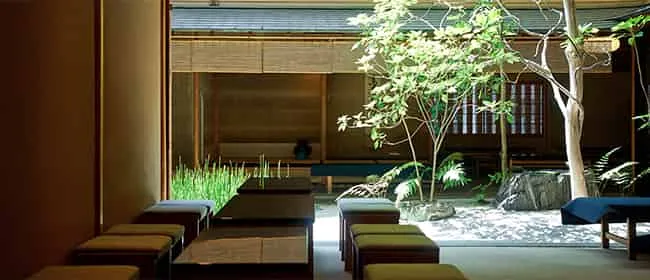
Located in the Nishijin district, this is a historic wagashi (Japanese confectionery) shop with over 200 years of history.
At the "Kayu Chaya" tea counter on the second floor of this elegant Sukiya-style building, you can experience a live demonstration by master craftsmen. Watching them shape seasonal fresh sweets into beautiful flowers and birds right before your eyes is a display of breathtaking skill. Savoring these freshly created artistic sweets with a bowl of Matcha offers a cultural experience that delights both the eyes and the palate.
Accessibility Note: The facility is fully equipped with barrier-free access, including elevators to the tea room, ensuring a comfortable visit for everyone.
Achieve worry-free barrier-free travel with Flat Travel!
Are you giving up on "travel" because of age or physical concerns? Flat Travel offers "barrier-free travel" that those who require care, the elderly, and their families can enjoy with peace of mind.
We provide comprehensive support from pre-departure preparations to your return home, tailored to each customer's physical condition and requests.
Barrier-free specialized planning (free of charge)
We create plans based on detailed barrier-free information not available on general travel sites, such as the presence of steps in travel routes, the location of wheelchair-accessible restrooms, and the type of hotel beds and baths. We also adjust the frequency of breaks and travel times to avoid burdening your body.
Accompaniment by "Travel Helpers" with caregiving and nursing qualifications
Experienced caregivers and nurses will accompany you on your trip. They provide specialized care such as assisting with transfers to wheelchairs, bathing and toileting, and meal support. This ensures a safe and comfortable journey while eliminating the burden on your family.
24-hour medical support system
In the event of any unforeseen health issues or troubles during your trip, we have a system in place for 24-hour free consultations with doctors and nurses. You can rest assured with the backup of professionals for medical equipment troubleshooting and emergency decision-making.
Learn more about barrier-free access in Japan
Would you like to know more about barrier-free access in Japan?
Flat Travel is a professional team of caregiver travel providers offering barrier-free travel throughout Japan.
We gather barrier-free information from all over Japan every day and propose it to our customers, which is why we know this.
Kyoto nursing care taxi information
Please check the following page for more information on this and other topics.
Go on a barrier-free trip to Japan with Flat Travel!
注意事項
項目 | 内容・詳細 |
|---|---|
契約・手配の主体 | 株式会社gotcha ※旅行契約(予約手配、代金収受、取消・変更条件等)は同社と締結されます。参照:「旅行業約款・条件書(gotcha)」 |
予約確定の時期 | 契約書面の同意・署名時点フォーム送信の段階では確定していません。株式会社gotchaより案内する契約書面にご同意・ご署名(電子含む)いただいた時点で確定となります。 |
旅行代金 | 掲載価格は「目安」です。お身体の状況、車いす仕様、介助の要否等をヒアリングした後、最終的な見積金額を確定します。 |
事前ヒアリング | 安全確保のため、車いす仕様、症状、服薬、アレルギー等の詳細を株式会社ふらっとけあが確認します。※情報をご提供いただけない場合、手配をお断りすることがあります。 |
申告との相違 | ツアー中止・返金不可の可能性あり 当日、申告内容と実態が大きく異なり安全確保が困難と判断した場合、ツアーを中止することがあります。その際、実費発生のため返金できない(または一部返金不可)場合があります。参照:「旅行業約款・条件書(gotcha)」 |
宿泊施設 | 代替提案の可能性あり バリアフリールームは客室数が限られるため、希望ホテルで確保できない場合は代替施設をご提案します。 |
健康管理 | 自己管理(または同伴者管理) 服薬やアレルギー対応などの管理は、原則としてお客様自身または同伴者様にてお願いします。 |
旅行保険 | 原則加入必須 株式会社gotcha指定の保険をご案内します(詳細は申込後にご説明)。 |