- Barrier-free cherry blossom viewing trip planning in Japan
- Safe and enjoyable for wheelchair users and the elderly! The charm and characteristics of Japanese cherry blossoms
- Key points to know when planning a barrier-free trip
- Cherry blossom blooming season and best viewing times by area to check before your trip
- For barrier-free travel, leave it to Flat Travel.
- [By Area] Top 10 Recommended Cherry Blossom Viewing Spots in Japan Accessible by Wheelchair
- Shinjuku Gyoen National Garden (Tokyo)
- Ueno Park (Tokyo)
- Philosopher's Path (Kyoto)
- Arashiyama and Togetsukyo Bridge area (Kyoto)
- Osaka Castle Park (Osaka)
- Himeji Castle (Hyogo Prefecture)
- Hirosaki Park (Aomori)
- Goryokaku Park (Hokkaido)
- Kumamoto Castle (Kumamoto)
- Miyajima (Hiroshima)
- Accessible transportation options for comfortably enjoying cherry blossom viewing in Japan.
- Guide to using wheelchair-accessible public transportation (trains and buses)
- How to book and use care taxis and welfare taxis
- Regarding travel on the Shinkansen and accessibility facilities
- Leave your barrier-free cherry blossom viewing trip to the experts.
- Frequently Asked Questions about Barrier-Free Cherry Blossom Viewing in Japan
- When is the best time to see the cherry blossoms?
- Are multi-purpose restrooms (barrier-free restrooms) easy to find?
- Where can I find information about accessibility for tourists?
- Is English support available?
- Summary: Prepare in advance for the best cherry blossom experience in Japan
Cherry blossoms, a symbol of spring in Japan, are a beautiful sight that captivates people all over the world. We want everyone, including those with physical disabilities, wheelchair users, and the elderly, to be able to fully enjoy this wonderful experience. With that in mind, this article introduces a selection of famous cherry blossom viewing spots throughout Japan that are designed with accessibility in mind. With a little planning and ingenuity, everyone can enjoy a safe and comfortable cherry blossom viewing trip. Why not use this complete guide to plan your own special spring trip?
Barrier-free cherry blossom viewing trip planning in Japan

A trip to Japan, especially during cherry blossom season, is a special one for many. Planning is even more crucial when traveling in a wheelchair or with elderly individuals. This section explains the fundamental principles and key points for a successful barrier-free cherry blossom viewing trip. Thorough preparation will alleviate anxieties and allow you to fully enjoy the beauty of spring in Japan.
Safe and enjoyable for wheelchair users and the elderly! The charm and characteristics of Japanese cherry blossoms
Japanese cherry blossoms are not only beautiful, but they have also been deeply rooted in the hearts of the Japanese people since ancient times. Their simultaneous blooming and graceful scattering are considered symbols of the brilliance and transience of life. The diverse varieties, including Somei Yoshino, which show different expressions throughout Japan, are also part of their charm. In recent years, many famous cherry blossom viewing spots have been improving their facilities to allow everyone to enjoy this beautiful scenery, such as paving pathways, installing ramps, and providing multi-purpose restrooms. More and more places are becoming available where people using wheelchairs or those with mobility issues can safely experience this quintessential Japanese spring spectacle.
Key points to know when planning a barrier-free trip
The most important thing when planning a barrier-free trip is gathering information in advance. First, it is important to specifically check the accessibility status of the tourist spots and accommodations you wish to visit. For example, check whether the pathways are paved, whether there are any steps, and where the accessible restrooms are located. Securing transportation is also essential. Early reservations are recommended for accessible taxis and wheelchair-accessible seats on bullet trains. Creating a manageable schedule is also crucial for a comfortable trip. Gathering all this information on your own can be difficult. In such cases, consulting a barrier-free travel specialist is a good option. They can support your travel planning, from providing detailed information on accessibility for hotels and transportation to making reservations on your behalf.
Cherry blossom blooming season and best viewing times by area to check before your trip
The timing of cherry blossom blooming varies depending on the climate of the year and also differs greatly from region to region. Generally, the blooming line, known as the "cherry blossom front," starts in the Kyushu region in the south in late March and gradually moves northward. In major cities on Honshu such as Tokyo and Kyoto, the best time to see the blossoms is usually from late March to early April. In the Tohoku region, the season is generally from mid to late April, and in Hokkaido, it is generally from late April to early May, including Golden Week. When planning a trip, it is recommended to check the best time to see the blossoms in the area you plan to visit by referring to the latest blooming forecasts published by the Japan Meteorological Association and other sources.
For barrier-free travel, leave it to Flat Travel.
For barrier-free travel, leave it to us. Flat Travel is a travel service that supports everything from arranging barrier-free travel to ensuring a safe trip. We will totally produce your trip with the following three strengths.

[Complete Safety Standards] 24-hour support through medical collaboration
The only one of its kind in Japan! In collaboration with Kawasaki Rinko General Hospital, we have established a system where doctors can respond to emergencies via online consultations 24 hours a day. We promise the highest level of peace of mind in the industry, with immediate responses to sudden changes in health or unforeseen circumstances.
[Incredibly Easy] No need for troublesome phone verification. Leave it all to the professionals.
"Even calling hotels is a struggle just to tell them the size of my wheelchair..." "Online information isn't enough; I'm worried about steps and uneven surfaces at the location..." You no longer need to tire yourself out with endless checking and explaining things over the phone. Barrier-free travel professionals will handle everything from checking door widths to ensuring smooth access at the location. We create a plan to prevent the problem of "getting there only to find I can't get in" and complete the booking all in one go.
[Uncompromising Quality] Bespoke by our skilled concierge
A dedicated planner will help you turn your dreams into reality. Instead of a standardized tour, we'll create a high-quality trip tailored to your specific needs and desires.
Safety, comfort, and unforgettable experiences—we'll guide you on a journey that fulfills all your desires.
[List of carefully selected tour examples and plans]
[Consult with a concierge via LINE (free)]
[By Area] Top 10 Recommended Cherry Blossom Viewing Spots in Japan Accessible by Wheelchair
From here, we will introduce 10 carefully selected, barrier-free spots from among the many famous cherry blossom viewing locations throughout Japan, especially those that are easily accessible for wheelchair users and the elderly. From large gardens in the heart of the city to historical castles and charming walking paths in ancient capitals, we will share the unique charm of cherry blossoms that can be enjoyed at each location, along with specific accessibility information.
Shinjuku Gyoen National Garden (Tokyo)

This national park, located in the heart of the city, offers a vast and tranquil escape. It features approximately 1,100 cherry trees of about 65 different varieties, allowing visitors to enjoy cherry blossoms for an extended period. The main pathways within the park are wide, flat, and paved, making it easily accessible for wheelchair users. Wheelchair-accessible restrooms are also conveniently located throughout the park. Entry is possible through the Shinjuku Gate, Okido Gate, and Sendagaya Gate, and a free wheelchair rental service is available (availability is limited, so please check beforehand).
Ueno Park (Tokyo)
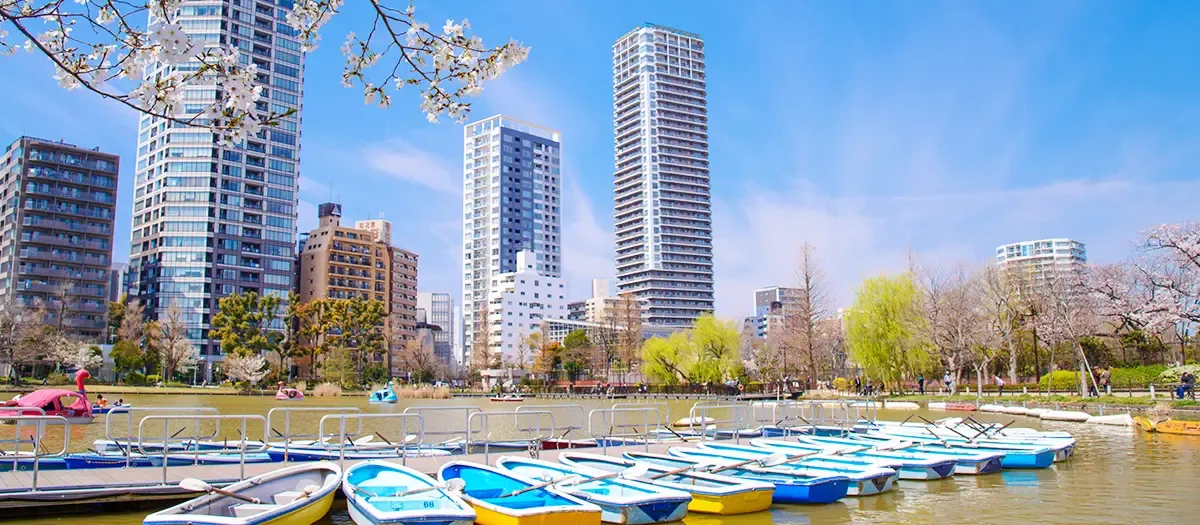
This park has long been a popular spot for cherry blossom viewing among the common people of Edo (Tokyo). Within its vast grounds, there are approximately 800 cherry trees, and the Sakura-dori (Cherry Blossom Avenue) in the center of the park forms a magnificent tunnel of blossoms. While the main paths within the park are paved, there are gentle slopes and crowded areas in some places. Multipurpose restrooms are located in multiple locations throughout the park. Access to the park is relatively good, as the park exit of JR Ueno Station is equipped with elevators. With art museums and museums located nearby, visitors can enjoy both culture and nature at the same time.
Philosopher's Path (Kyoto)

This approximately 2-kilometer walking path runs along the Lake Biwa Canal and has been selected as one of Japan's 100 Best Roads. In spring, the rows of cherry trees known as "Kansetsu-zakura" create a tunnel, offering a picturesque Kyoto-style landscape. Most of the path is flat and paved with cobblestones, making it accessible for wheelchair users. However, there are some unpaved sections and narrower parts, so it would be safer to have an assistant with you. Benches are also installed along the path, allowing you to rest and enjoy the cherry blossoms at your leisure.
Arashiyama and Togetsukyo Bridge area (Kyoto)

Arashiyama, a representative tourist destination in Kyoto, is attractive for its scenery created by the combination of magnificent nature and cherry blossoms. The area around Togetsukyo Bridge over the Katsura River has many relatively flat paths, allowing wheelchair users to enjoy the cherry blossom scenery that colors the mountains. However, it gets very crowded with tourists from both Japan and abroad during the tourist season, so it is recommended to plan with plenty of time to spare. There are also barrier-free restaurants, souvenir shops, and multipurpose restrooms scattered around the area. Some temples, such as the nearby Tenryu-ji Temple, may have wheelchair-accessible viewing routes.
Osaka Castle Park (Osaka)
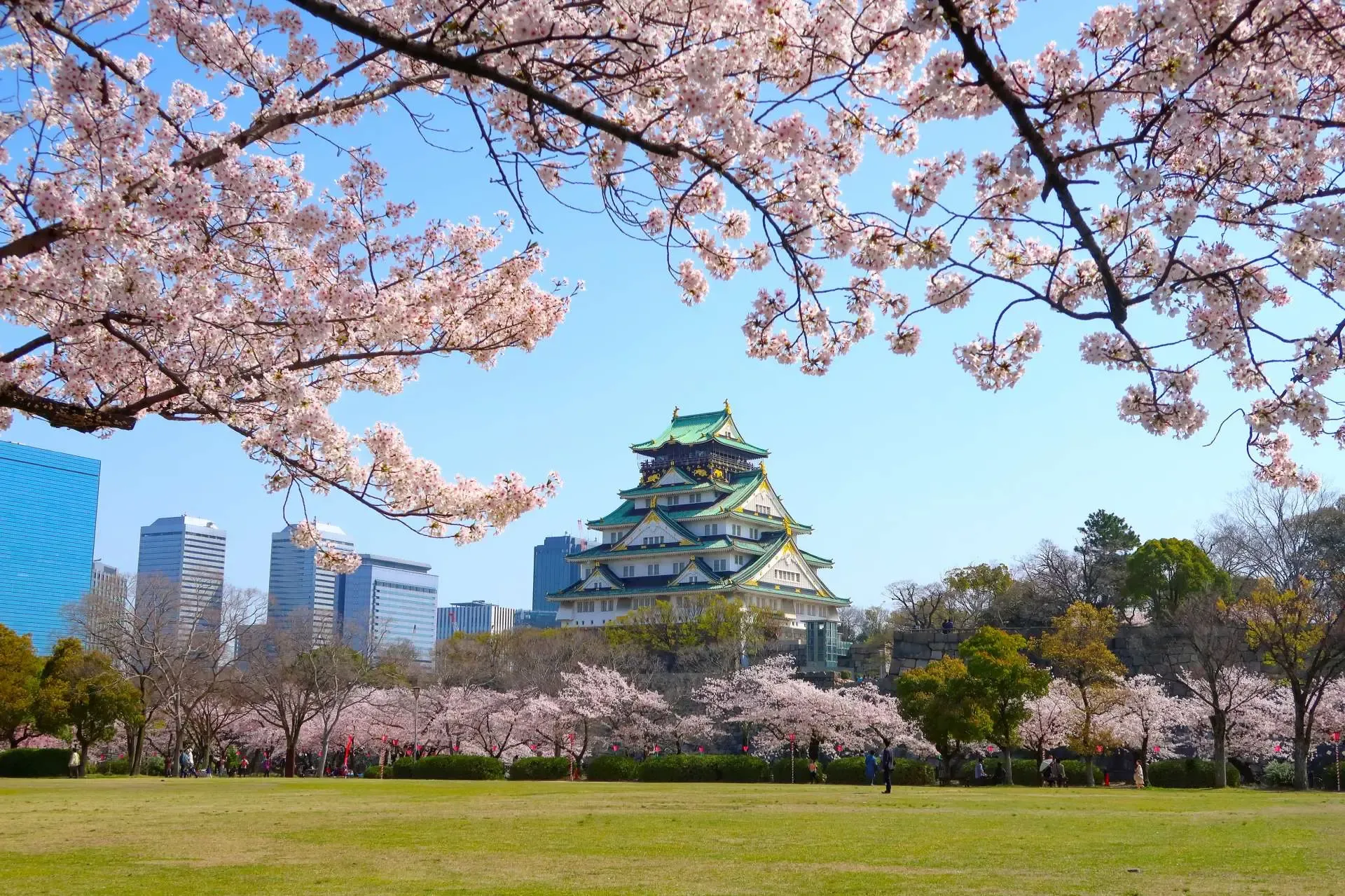
Osaka Castle, a symbol of Osaka, serves as the backdrop for this vast park where approximately 3,000 cherry trees bloom. The Nishinomaru Garden, in particular, is a famous spot for cherry blossoms, primarily Somei Yoshino varieties, and attracts many visitors. The main pathways within the park are wide and paved, making it relatively easy to navigate in a wheelchair. An elevator is installed in the castle tower, allowing visitors to enjoy the view from the observation deck (some floors are only accessible by stairs). Multiple multi-purpose restrooms are available within the park. It is recommended to choose a route with ramps and other facilities when traveling from the nearest station to the park entrance.
Himeji Castle (Hyogo Prefecture)

This World Heritage Site, also known as "White Heron Castle" due to its graceful appearance resembling a white heron spreading its wings, boasts approximately 1,000 cherry trees blooming against the backdrop of its beautiful castle, creating a scene that truly symbolizes spring in Japan. While the interior of the castle keep has many steep stairs, making it difficult for wheelchair users to ascend, the surrounding San-no-maru Plaza and its surrounding areas have many flat paths, allowing wheelchair users to fully enjoy the magnificent combination of the castle and cherry blossoms. Multipurpose restrooms are also available near the plaza.
Hirosaki Park (Aomori)
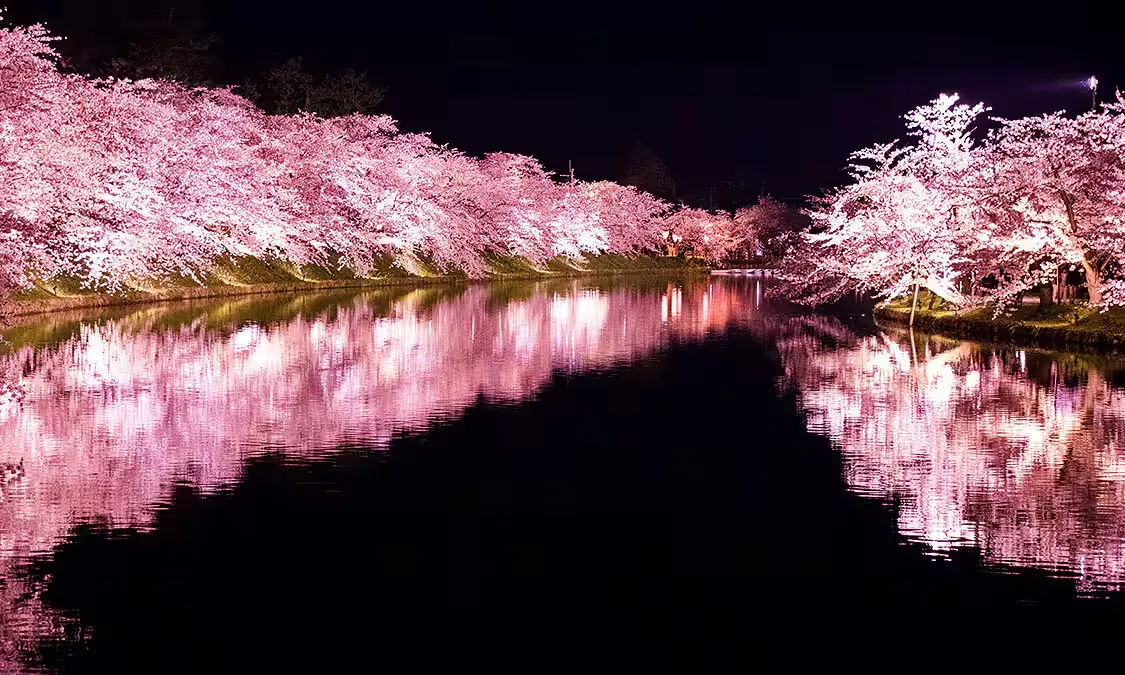
This is one of Japan's top cherry blossom viewing spots, considered one of the three most famous cherry blossom viewing locations in the country. The park is home to approximately 2,600 cherry trees of about 52 varieties, mainly Somei Yoshino. The "hanaikada" (flower raft) where cherry blossom petals cover the surface of the moat, and the "cherry blossom tunnel" in the west moat are particularly breathtakingly beautiful. While most of the park has paved paths, there are some gravel paths and slopes. Wheelchair rental services and guided tours by volunteers may be available with advance reservations, so it is recommended to check with the Hirosaki City Tourist Information Center for details.
Goryokaku Park (Hokkaido)

Goryokaku, a star-shaped castle ruin in Hakodate City, is a park where approximately 1,600 Somei Yoshino cherry trees bloom simultaneously in spring, painting the entire park pink. The park has flat walking paths, making it suitable for wheelchair users. From the observation deck of the adjacent Goryokaku Tower, you can enjoy a panoramic view of the beautiful star-shaped cherry blossoms. The tower is equipped with elevators and barrier-free restrooms, so you can use it with peace of mind.
Kumamoto Castle (Kumamoto)
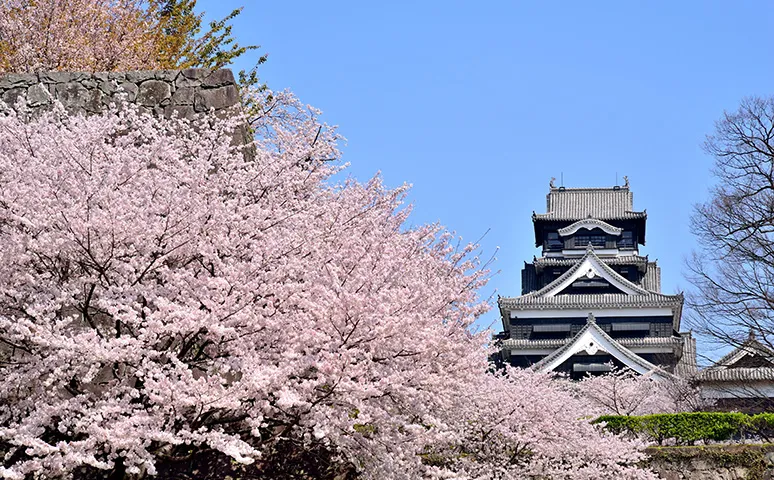
Although it suffered significant damage in the 2016 Kumamoto earthquake, this castle stands strong as a symbol of recovery and reconstruction. Around it, approximately 800 cherry trees bloom, adding color to the castle's resilience in overcoming adversity. As part of the restoration work, a barrier-free viewing route has been established within the castle grounds. Using the special viewing pathway equipped with ramps and elevators, wheelchair users can access close to the main keep. The nearby tourist facility, "Sakura no Baba Jōsaien," is also designed with accessibility in mind.
Miyajima (Hiroshima)

Miyajima Island is known for its World Heritage site, Itsukushima Shrine, and its large torii gate floating in the sea. In spring, cherry blossoms bloom throughout the island, creating a beautiful contrast with the historical buildings. The ferry connecting the mainland to Miyajima is increasingly barrier-free, allowing wheelchair users to board. The Omotesando shopping street on the island is paved, but it gets crowded with tourists. While some ramps are provided within Itsukushima Shrine, it is not completely barrier-free, so it is advisable to check accessible routes in advance.
Accessible transportation options for comfortably enjoying cherry blossom viewing in Japan.
Getting to a beautiful cherry blossom viewing spot is an important part of the trip. Especially for wheelchair users or those who have difficulty walking long distances, the choice of transportation greatly impacts the comfort of the journey. Here, we explain how to use and key points regarding transportation options that can be utilized for barrier-free travel in Japan, including public transport and accessible taxis.
Guide to using wheelchair-accessible public transportation (trains and buses)
Japan's railway network is well-developed, and elevators and ramps are being installed at many major stations. When boarding or alighting trains, you can request assistance from station staff. It is recommended to inform the station staff in advance at the ticket gate, or if possible, call the station you will be using to ensure a smoother experience. On the other hand, while the introduction of low-floor buses is progressing, not all vehicles or routes are equipped with them yet. It is recommended to check the website of the bus company you wish to use in advance to see the status of low-floor buses and how to board with a wheelchair.
How to book and use care taxis and welfare taxis
Care taxis and welfare taxis are vehicles equipped with lifts and ramps that allow wheelchair users to board and alight easily, making them a very convenient option when using public transportation is difficult. Because they travel directly to your destination, they reduce the hassle and burden of transfers. Advance reservations are required, and fares tend to be higher than regular taxis. Since the available operators vary by region, it's necessary to research taxi companies in your travel destination beforehand. For these specialized arrangements, you can consult with a barrier-free travel specialist company like ours, and we can reserve the most suitable vehicle to suit your schedule.
A Complete Guide to Caregiving Taxis in Japan: From Booking Methods to Fares and Sightseeing Use
Regarding travel on the Shinkansen and accessibility facilities
For long-distance travel within Japan, the Shinkansen (bullet train) is a fast and comfortable option. Many Shinkansen trains are equipped with dedicated seating areas for wheelchair users and multi-purpose rooms with spacious restrooms. Because these facilities are limited in number, advance reservations are required. Reservations can be made from one month prior to the travel date at "Midori no Madoguchi" ticket offices at major JR stations or via a dedicated telephone reservation service. Note that wheelchair-accessible seats are often not available when making reservations online.
A Guide to Riding the Shinkansen in a Wheelchair in Japan | A Comprehensive Explanation from Reservation Methods to Seat Types
Leave your barrier-free cherry blossom viewing trip to the experts.
Planning a barrier-free cherry blossom viewing trip can be time-consuming and require a lot of effort, including gathering information and making various reservations. This is especially true for international travelers, who may feel anxious due to language barriers and unfamiliarity with the local area. In such cases, please leave it to us, the barrier-free travel specialists.
[List of carefully selected tour examples and plans]
[Consult with a concierge via LINE (free)]
Frequently Asked Questions about Barrier-Free Cherry Blossom Viewing in Japan
This section compiles frequently asked questions and answers from international visitors regarding barrier-free cherry blossom viewing trips in Japan. Please use this as a reference when planning your trip.
When is the best time to see the cherry blossoms?
The best time to see cherry blossoms varies greatly depending on the region. In Kyushu, located in southern Japan, it's generally late March; in Tokyo and Kyoto, it's late March to early April; in the Tohoku region in northern Japan, it's mid to late April; and in Hokkaido, it's late April to early May. However, the blooming period can vary depending on the climate of the year, so it's recommended to check the latest cherry blossom forecast just before your trip.
Are multi-purpose restrooms (barrier-free restrooms) easy to find?
Accessible toilets are becoming common in major train stations, airports, large commercial facilities such as department stores, and famous tourist parks like the one mentioned here. However, they may not yet be available in historical buildings or small, local tourist spots. It's a good idea to check the location of toilets on the official website of your destination in advance, or use an accessible toilet search app.
Where can I find information about accessibility for tourists?
Many tourist destinations have accessibility information pages on their official websites. Additionally, local tourism associations often operate websites compiling local barrier-free information. However, this information is often outdated or lacks necessary details. The best way to obtain the most reliable and detailed information is to consult a travel agency specializing in barrier-free travel, like ours. We can provide suggestions based on the latest local information, tailored to your specific needs.
Is English support available?
Airports, major train stations, hotels in city centers, and large tourist facilities almost always have staff who can speak English. However, in rural areas, at local shops, and in emergencies, you may encounter situations where communication in English is difficult. If you entrust your trip to a travel agency like ours, our English-speaking staff will fully support your travel, from making reservations to handling any problems that may arise at your destination, so that you can enjoy your trip without worrying about language barriers.
Summary: Prepare in advance for the best cherry blossom experience in Japan
Japan's beautiful cherry blossoms are a wonderful cultural experience that everyone has the right to enjoy. For wheelchair users and seniors, thorough research and planning beforehand are essential for a comfortable cherry blossom viewing trip. Choosing easily accessible spots, securing transportation, and booking barrier-free accommodations will allow you to travel without worry. We hope this article will help you create wonderful memories of spring in Japan. If you have any concerns about your plans or need more personalized support, please feel free to consult with a professional at any time.