


- Things to know before planning a trip to Kyoto in a wheelchair
- Barrier-free access in the ancient capital of Kyoto and travel tips
- Tips for planning a successful trip with a wheelchair
- 7 Recommended Accessible Tourist Spots in Kyoto for Wheelchair Users
- Kiyomizu-dera Temple
- Kinkakuji Temple (Rokuonji Temple)
- Arashiyama (Togetsukyo Bridge and Bamboo Forest Path)
- Fushimi Inari Taisha Shrine
- Nijo Castle
- Kyoto Railway Museum
- Nishiki Market
- Wheelchair-friendly! 4 recommended barrier-free hotels in Kyoto
- The Westin Miyako Kyoto
- Hotel Granvia Kyoto
- The Ritz-Carlton Kyoto
- Cross Hotel Kyoto
- Comfortable transportation for wheelchair users sightseeing in Kyoto
- Barrier-free access to public transportation (trains and buses) in Kyoto City
- How to book and use welfare taxis and nursing care taxis
- Use of wheelchair rental services
- A two-day, one-night Kyoto itinerary for wheelchair users
- Day 1: Higashiyama and city center course visiting classic spots
- Day 2: Arashiyama and Kinkakuji Course: Experience Nature and History
- For those considering wheelchair travel outside of Kyoto
- Barrier-free travel information for the Kansai area
- General know-how and preparation for wheelchair travel
- Frequently asked questions about traveling to Kyoto in a wheelchair
- Are there any restaurants or cafes that are wheelchair accessible?
- Can I check the location of the multi-purpose toilet in advance?
- Can I enjoy a trip to Kyoto without a caregiver?
- How much does the trip cost?
- If you're worried about your trip to Kyoto, contact Flat Travel! Barrier-free experts will provide free consultation and booking support.
Kyoto is a city steeped in history and culture. Its beautiful temples and shrines, as well as its charming streets, continue to fascinate many. This article provides a comprehensive guide covering all the information you need to fully enjoy the ancient capital of Kyoto, including barrier-free tourist spots and hotels, comfortable transportation options, and specific sample itineraries. With advance preparation and a little ingenuity, you can ensure an unforgettable and wonderful trip to Kyoto.
Things to know before planning a trip to Kyoto in a wheelchair
When traveling to Kyoto in a wheelchair, advance planning is key to success. By understanding the unique characteristics of the historic cityscape and making preparations while keeping these key points in mind, you can eliminate any concerns about mobility and enjoy a smooth and comfortable trip. Here, we will explain in detail the barrier-free situation in Kyoto that you should know before making plans, as well as specific tips for a successful trip.
Barrier-free access in the ancient capital of Kyoto and travel tips
The ancient capital of Kyoto is home to many cobblestone streets and historical buildings, and not all locations are barrier-free. In particular, many old temples and shrines still have stairs, gravel roads, and narrow passageways. However, in recent years, Kyoto City has been actively promoting barrier-free access, with major stations and tourist facilities now installing elevators, ramps, and multi-purpose toilets. When traveling, it's important to check the barrier-free information for the places you want to visit individually. Checking the information on official websites or calling in advance will make travel on the day much smoother.
Tips for planning a successful trip with a wheelchair
There are a few tips to ensure a successful wheelchair travel plan. First of all, it's important to create a flexible schedule that doesn't pack too much into your schedule. Travel can take longer than expected, so it's a good idea to limit the number of spots you visit to two or three per day. Next, thoroughly research barrier-free access information for the tourist spots and restaurants you want to visit in advance, online or by phone. In particular, be sure to check the width of aisles, whether there are steps, and the location of multi-purpose restrooms. When it comes to transportation, considering using a wheelchair-accessible taxi in addition to public transportation will greatly expand your range of activities. Finally, when staying at a hotel, checking not only the room facilities but also whether the route from the entrance to the room is barrier-free will lead to a comfortable stay.
7 Recommended Accessible Tourist Spots in Kyoto for Wheelchair Users
Kyoto has many attractive tourist spots that can be enjoyed safely by wheelchair users. From historical buildings to the latest facilities, by choosing places that are barrier-free, you can fully enjoy the charm of this ancient capital. Here, we have carefully selected seven particularly recommended spots from among the many famous sights, and will introduce them along with information on barrier-free access for each.
Kiyomizu-dera Temple
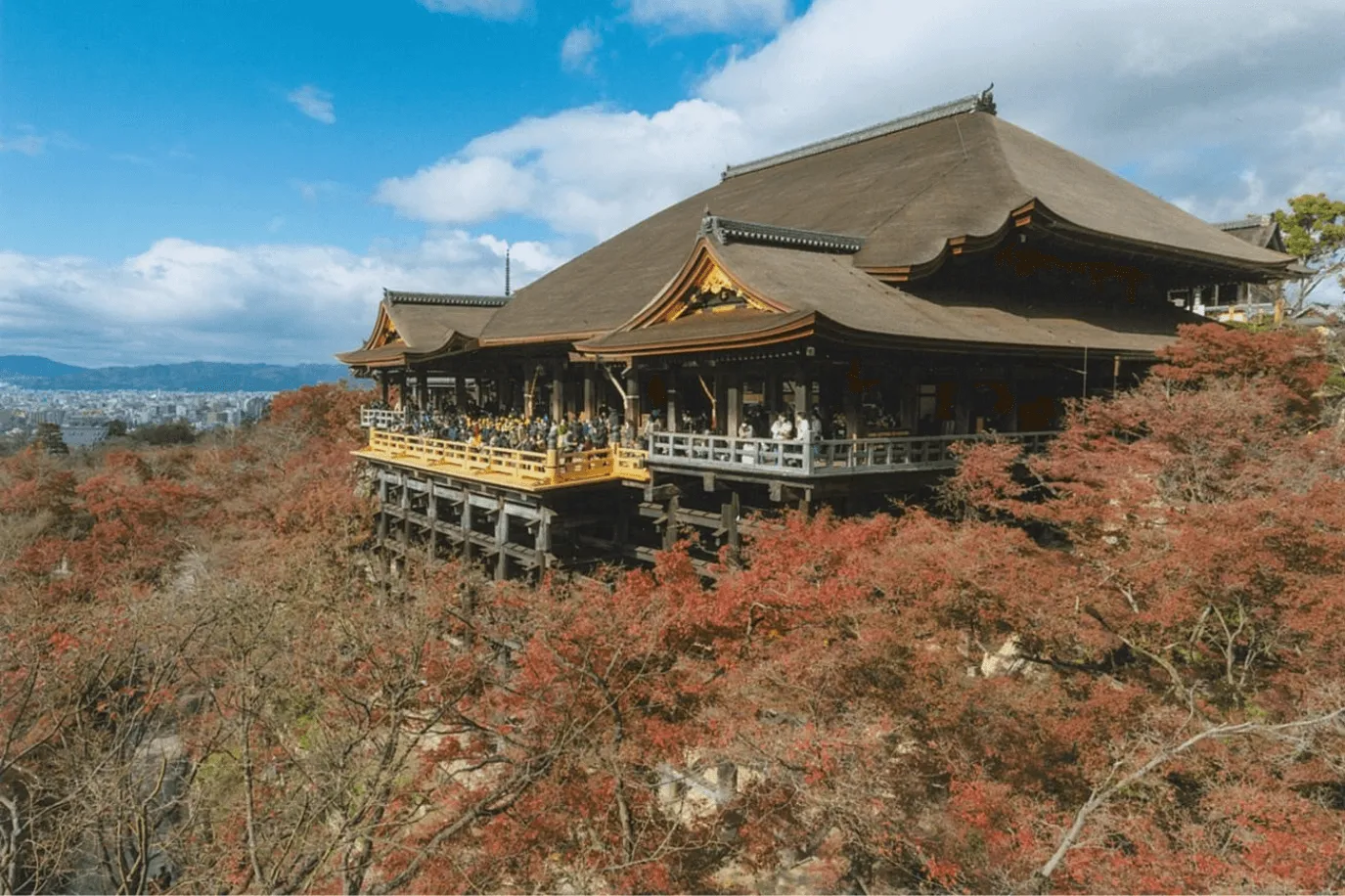
Kiyomizu-dera Temple, known for its "Kiyomizu Stage," has an image of being full of slopes and stairs, but it has a designated route for wheelchair users. You can take the elevator from the parking lot and then go up the slope to the main hall (Kiyomizu Stage). If you ask at reception, you will be given a map of the designated route. The spectacular view from the stage is exceptional and can be fully enjoyed even from a wheelchair. However, there are some places that are difficult to access, such as Otowa Falls. There are also multi-purpose toilets on the grounds, so you don't have to worry.
Kinkakuji Temple (Rokuonji Temple)
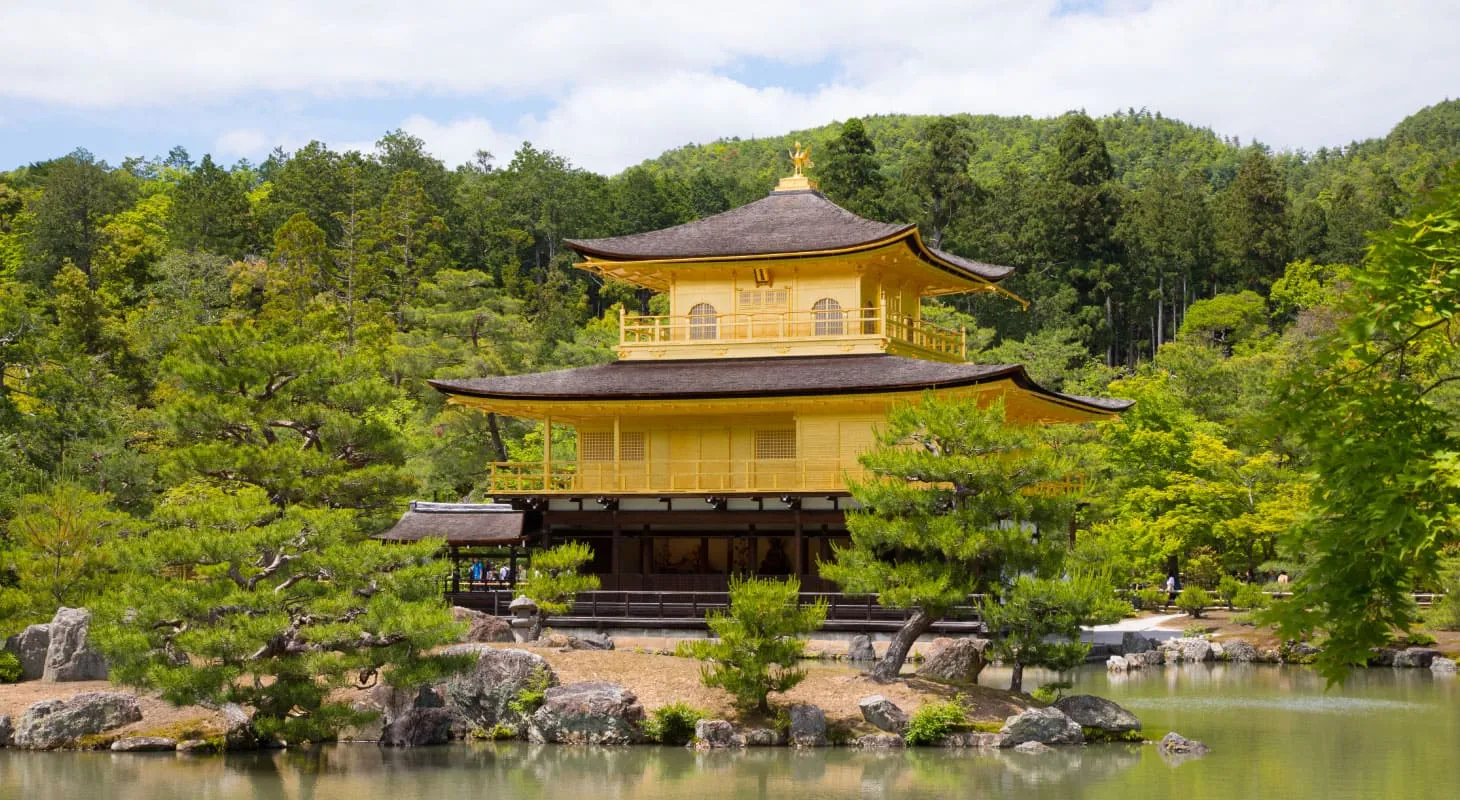
Kinkakuji (Rokuonji) is a representative tourist attraction in Kyoto, with its beautiful golden Shariden Hall reflected in a pond. While the temple grounds are mostly gravel roads, there are also paved paths to make wheelchair access easier. The path to the point where you can view the Shariden Hall from the front is relatively flat, allowing you to appreciate its majestic appearance up close. There are stairs in the latter half of the route, so you will have to retrace your steps, but you will still be able to enjoy the most famous view without any problems. There are also accessible toilets on the premises.
Arashiyama (Togetsukyo Bridge and Bamboo Forest Path)
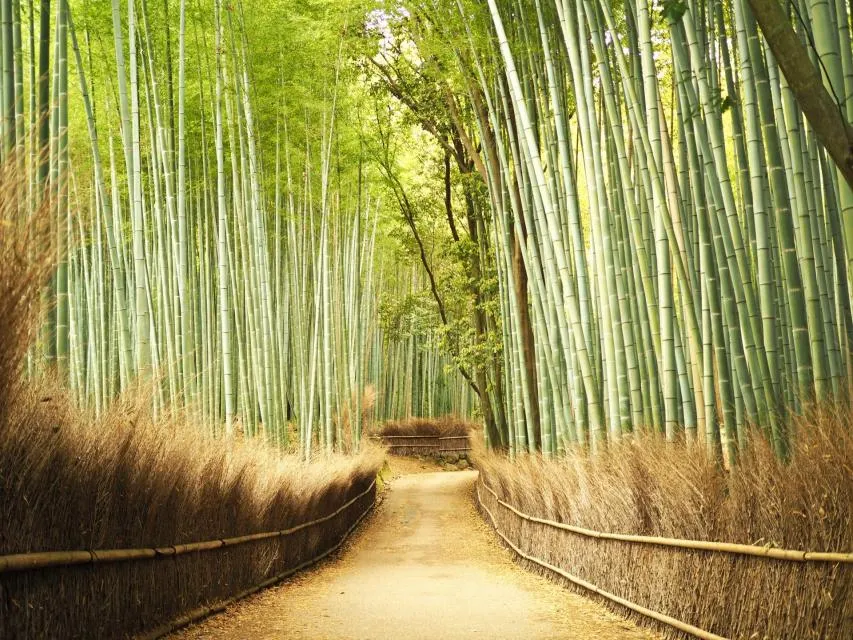
The scenic Arashiyama area also has many spots that can be enjoyed by wheelchair users. The roads around Togetsukyo Bridge over the Katsura River are wide and flat, making it ideal for strolling while enjoying the scenery. The famous "Bamboo Forest Path" is relatively flat near the entrance, but as you go further in there are slopes and unpaved areas, so it is recommended to enjoy the atmosphere within a reasonable range. There are also many barrier-free restaurants and souvenir shops scattered around the area.
Fushimi Inari Taisha Shrine

Fushimi Inari Taisha Shrine, world-famous for its "Senbon Torii" (thousand torii gates), is an object of worship for the entire Inari mountain, and there are steep stairs leading up to the summit. For this reason, wheelchair users can only explore the area around the main shrine and the entrance to the Senbon Torii. However, even just this area is enough to enjoy the majestic atmosphere and the spectacular sight of the row of torii gates. There is a slope from the tower gate to the main shrine, and there is also a multi-purpose toilet on the grounds, so it is well worth visiting just the area at the base of the mountain.
Nijo Castle

Nijo Castle is a World Heritage Site that has witnessed the rise and fall of the Tokugawa clan. The Ninomaru Palace, a national treasure, cannot be viewed directly from a wheelchair due to the need to protect the historical building, but it may be possible to view the interior by using special wheelchairs available for rental within the castle. There is also an exhibition and collection center that displays gorgeous sliding door paintings through video, and the beautiful Ninomaru Garden has wheelchair-accessible viewing routes that allow for leisurely strolls. The grounds are vast, but accessible toilets are installed throughout the castle.
Kyoto Railway Museum
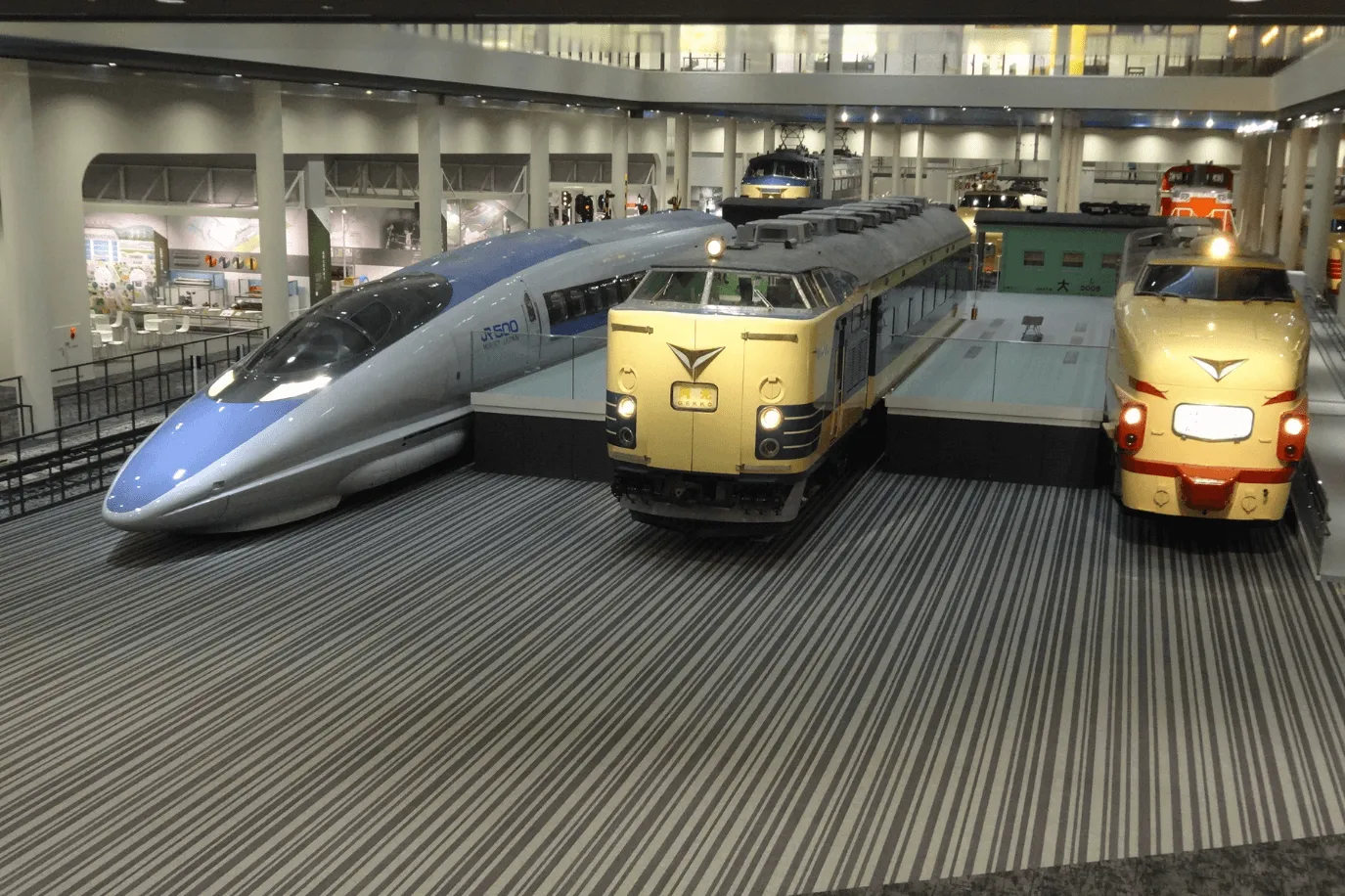
The Kyoto Railway Museum is an indoor facility that can be enjoyed regardless of the weather, and is barrier-free. The spacious museum is fully equipped with elevators and ramps, making it easy for wheelchair users to move around. From steam locomotives to Shinkansen bullet trains, many valuable vehicles are on display, and you can see them up close. It is full of features that can be enjoyed by everyone, from children to adults, even those who are not railway fans, and there are multi-purpose toilets in several locations, so you can spend the whole day there without worry.
Nishiki Market

Nishiki Market, affectionately known as "Kyoto's Kitchen," is a lively shopping street. The arcade makes it enjoyable even on rainy days, but the narrow streets mean it gets very crowded, especially on weekends and during peak tourist season. If you're visiting in a wheelchair, we recommend visiting on a weekday morning when it's relatively quiet. You can have fun just browsing the fresh Kyoto vegetables, seafood, and prepared dishes. The surrounding department stores and commercial facilities have multi-purpose restrooms, so you can use them as a place to take a break.
Related article: A complete guide to barrier-free sightseeing in Kyoto! Recommended spots and model itineraries for wheelchair users
Wheelchair-friendly! 4 recommended barrier-free hotels in Kyoto
Choosing a hotel has a major impact on the comfort of your trip. Especially when traveling in a wheelchair, it's important that the facilities in the guest rooms and the entire hotel are barrier-free. Here, we introduce four recommended barrier-free hotels in Kyoto where you can stay safely and comfortably. There's no need to contact these hotels directly to check detailed information about their barrier-free facilities or to make reservations. Simply consult with Flat Travel, experts in barrier-free travel, and we'll suggest the perfect hotel for you and provide support all the way through to your reservation.
The Westin Miyako Kyoto

Located on a hill in Higashiyama, this prestigious hotel offers a panoramic view of the ancient capital. While respecting tradition and formality, it has recently undergone renovations to enhance barrier-free facilities. The spacious universal rooms are designed without steps, and the bathrooms are equipped with handrails and shower chairs. With smooth access to the hotel's restaurants and facilities and attentive service, it is recommended for those seeking a special stay.
Hotel Granvia Kyoto
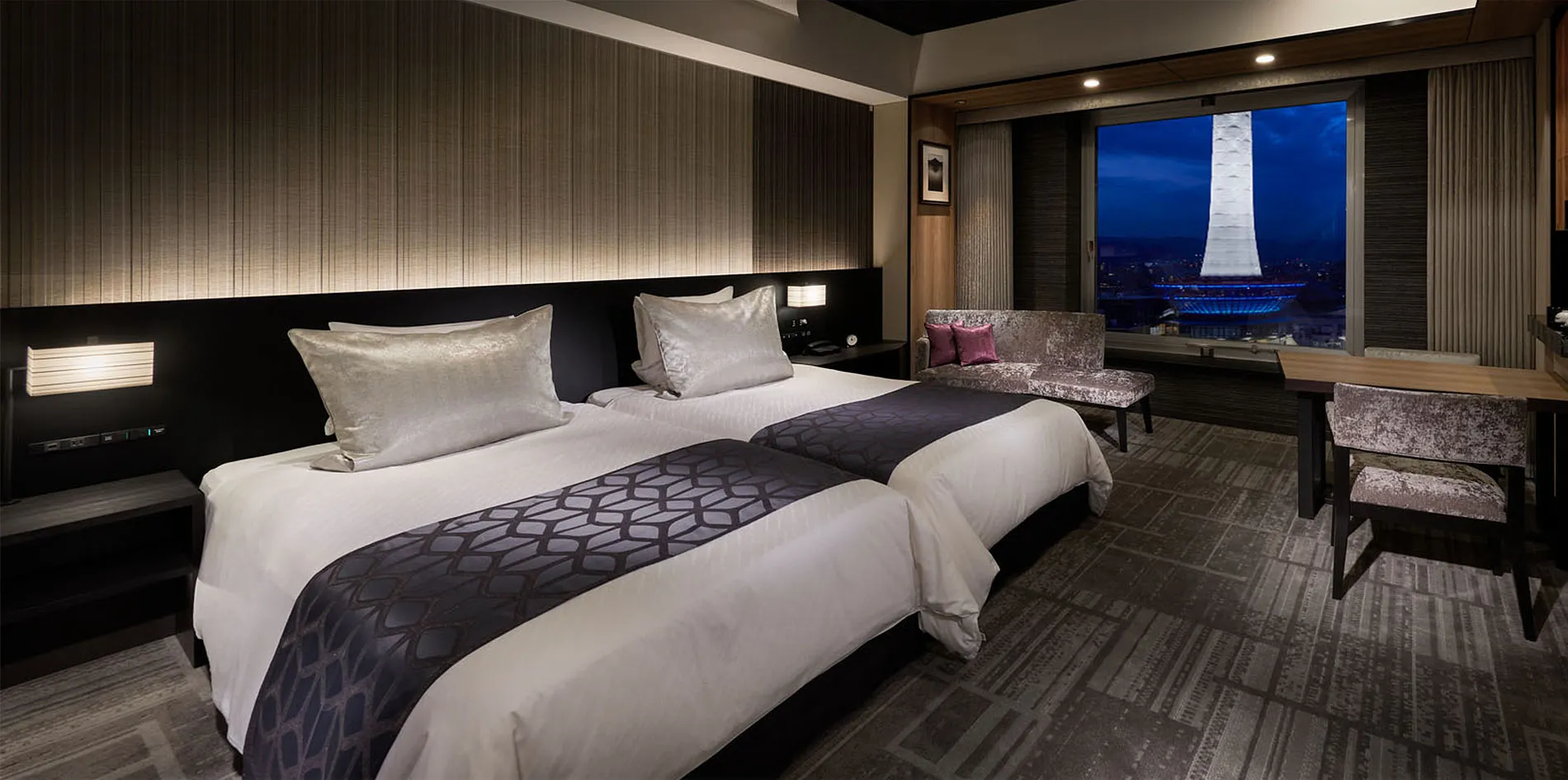
This hotel boasts a prime location directly connected to Kyoto Station. The convenience of being able to check in smoothly without getting wet after getting off the Shinkansen or train is a major attraction for wheelchair users. The barrier-free rooms are spaciously designed with the user's flow in mind, ensuring a comfortable stay. There are also many restaurants and commercial facilities in and around the station building, so you'll have no trouble finding food and shopping. This hotel is ideal for those who want to actively enjoy sightseeing in Kyoto.
The Ritz-Carlton Kyoto
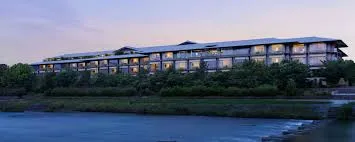
Located on the banks of the Kamo River, this is one of the world's leading luxury hotels. Its charm lies in its top-notch hospitality and sophisticated space. The barrier-free rooms are not only spacious, but also feature high-quality facilities that combine design and functionality. Dedicated guest service staff will carefully respond to any requests you may have during your stay, so you can rest assured that you can consult with them if you require assistance. This hotel will create an unforgettable and special trip to Kyoto, whether it's an anniversary or other special occasion.
Cross Hotel Kyoto
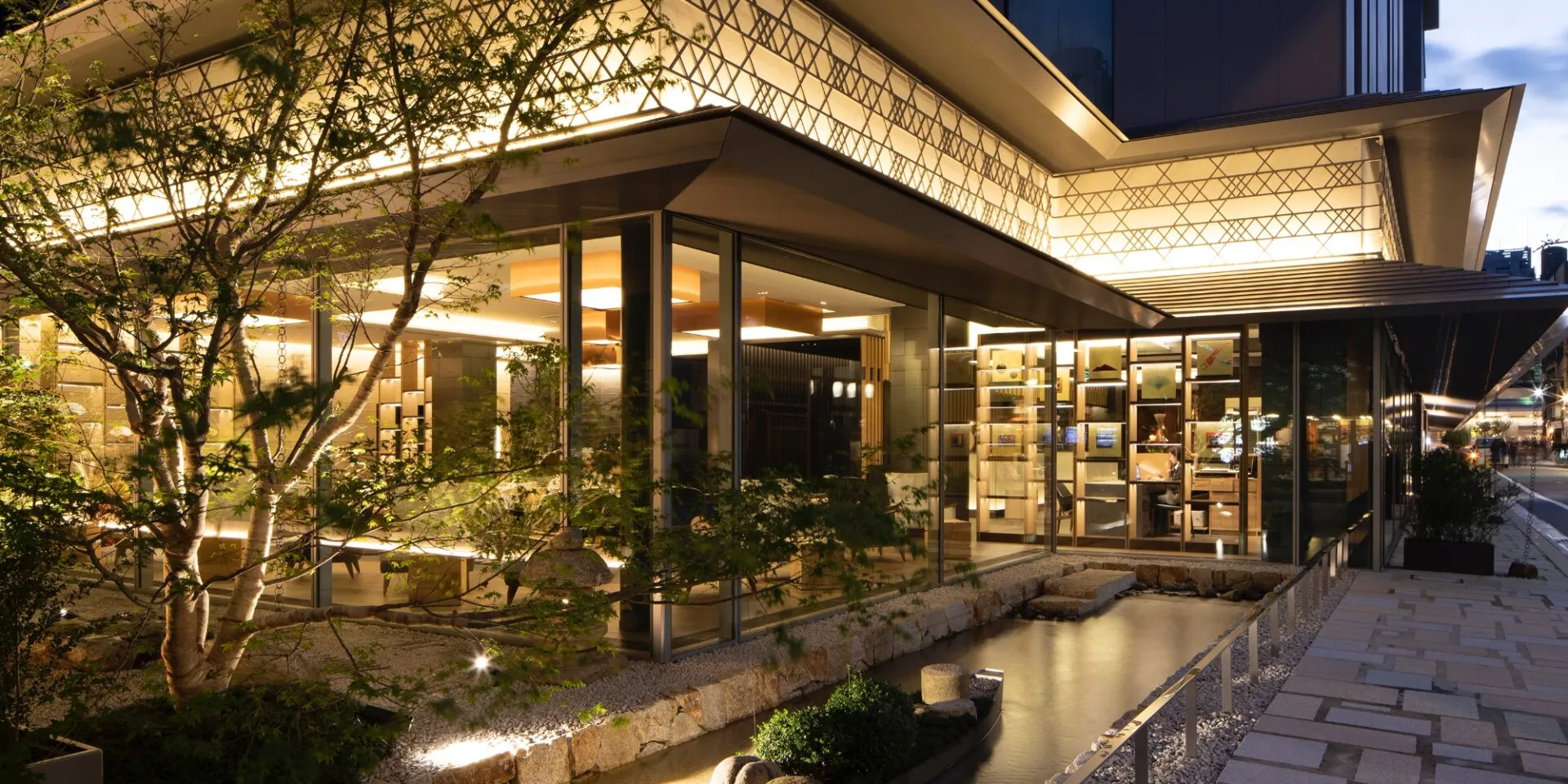
Located in Kawaramachi Sanjo, in the heart of Kyoto City, this hotel is conveniently located for both sightseeing and business. The modern and stylish design is complemented by functional barrier-free facilities. The universally designed rooms have been carefully designed to ensure a comfortable stay for wheelchair users. With easy access to popular tourist areas such as Gion and Pontocho, this hotel is recommended for those who want to actively enjoy the city of Kyoto.
Related articles:
Comfortable transportation for wheelchair users sightseeing in Kyoto
Securing transportation is extremely important to fully enjoy sightseeing in Kyoto. As there are areas with many slopes and cobblestone streets, researching barrier-free transportation options in advance will help you avoid exhaustion and get around tourist spots efficiently. Here we introduce options for comfortable wheelchair travel, from public transportation to welfare taxis and rental services.
Barrier-free access to public transportation (trains and buses) in Kyoto City
Trains (JR, private railways, subways) and city buses are convenient for getting around Kyoto City. Elevators and multi-purpose toilets are being installed at major stations, and if you ask station staff, you can receive assistance using ramps when boarding and disembarking. All stations on the Kyoto Municipal Subway have been made barrier-free, so you can use them with peace of mind. Meanwhile, city buses are increasingly introducing low-floor buses, but not all vehicles and bus stops are compatible, so it's a good idea to check the operating status of the route you want to use in advance.
How to book and use welfare taxis and nursing care taxis
Welfare taxis and nursing care taxis are extremely convenient when going to places that are difficult to access by public transportation or when you want to efficiently visit multiple tourist spots. They are equipped with ramps and lifts, so you can board while in a wheelchair. Drivers are often trained in assisting people, so you can use them with peace of mind. Advance reservations are required, so make sure to make your reservation as soon as you have decided on your travel dates. Fares may include reservation fees and assistance fees in addition to the regular taxi fare.
Use of wheelchair rental services
Wheelchair rental services are convenient for those who want to reduce the amount of luggage they bring when traveling or who want to try out a different type of wheelchair (e.g., a lightweight, compact one) than the one they normally use. There are several businesses in Kyoto City that rent out wheelchairs to travelers. There are also services that will deliver the wheelchair to your hotel, so you can arrive at Kyoto Station empty-handed and use it only for the duration of your trip. For more information on wheelchair rentals at your travel destination and how to choose one, please refer to this article.
A two-day, one-night Kyoto itinerary for wheelchair users
Some people may not have a clear idea of how to actually get around Kyoto's tourist spots. Therefore, we will propose a two-day, one-night model itinerary that will allow you to enjoy Kyoto's charms comfortably in a wheelchair. This plan is ample and takes into account travel time and rest periods, but please feel free to adjust it to suit your own physical strength and interests.
Day 1: Higashiyama and city center course visiting classic spots
On the first day, you will tour the Higashiyama area, home to Kyoto's most popular tourist spots, and the city center.
Morning: After arriving at Kyoto Station, take a wheelchair-accessible taxi to Kiyomizu-dera Temple. Enjoy the spectacular view from Kiyomizu-dera Temple's stage via a
wheelchair-accessible route. Lunch: As the area around Kiyomizu-dera Temple has many slopes, take a taxi to the Gion area and enjoy Kyoto cuisine at a barrier-free restaurant.
Afternoon: After lunch, visit Yasaka Shrine and enjoy the atmosphere of Hanamikoji. Then, take a taxi or subway to check into your hotel in the city center.
Evening: After a rest at the hotel, stroll around Nishiki Market. Have dinner at the hotel restaurant or in the easily accessible Kawaramachi area.
Day 2: Arashiyama and Kinkakuji Course: Experience Nature and History
On the second day, you'll travel around the rich natural environment and World Heritage sites. Chartering a welfare taxi for half a day is an efficient way to travel.
Morning: After checking out of the hotel, take a taxi to Arashiyama. Cross Togetsukyo Bridge and stroll around the entrance to the bamboo forest path.
Lunch: Have lunch at a restaurant with a great view in the Arashiyama area.
Afternoon: Take a taxi to Kinkaku-ji Temple (Rokuon-ji Temple) and see the shining golden Shariden Hall. Afterwards, head to Nijo Castle and enjoy the vast gardens and historical setting.
Evening: After sightseeing, take a taxi to Kyoto Station. Pick up souvenirs at the station and head home by Shinkansen.
For those considering wheelchair travel outside of Kyoto
Perhaps your trip to Kyoto has made you want to visit other places. When traveling in a wheelchair, it's important to gather information beforehand, but if you know the key points, you can enjoy various places throughout Japan and the world. Here, we'll introduce some information that will further expand your travel possibilities.
Barrier-free travel information for the Kansai area
The Kansai area is home to a wealth of attractive tourist destinations, including not only Kyoto but also the vibrant streets of Osaka, the fashionable port city of Kobe, and the historic Great Buddha of Nara. Each city also offers accessibility information and plenty of wheelchair-accessible spots. For detailed information on accessibility travel throughout the Kansai area, please see this article, so be sure to check it out for reference when planning your next trip.
General know-how and preparation for wheelchair travel
To make traveling with a wheelchair more comfortable and safe, there are some useful tips to know, such as how to prepare in advance, what to bring with you, and how to prepare yourself while traveling. We also have an article that summarizes general tips for traveling with a wheelchair, from basic information such as what preparations you should make and what is useful to bring, to how to deal with problems while traveling. For more information on preparing for and tips on traveling with a wheelchair, please see this article.
Frequently asked questions about traveling to Kyoto in a wheelchair
Many people may have questions or concerns when planning a trip to Kyoto in a wheelchair. Here we have compiled some frequently asked questions and answers. Please use this as reference when preparing for your trip.
Are there any restaurants or cafes that are wheelchair accessible?
Yes, there are. In recent years, the number of restaurants and cafes that are barrier-free has been increasing. In particular, restaurants in hotels and stores in commercial facilities such as department stores and station buildings tend to have no steps and wide aisles, making them relatively easy to access. For street-level stores, it's a good idea to call in advance to check whether there are steps at the entrance and whether the aisles inside the store are wide enough for a wheelchair to pass through. If you let them know that you will be using a wheelchair when making a reservation, they will be able to guide you smoothly.
Can I check the location of the multi-purpose toilet in advance?
Yes, it is possible. Most major stations, public facilities, department stores, and large tourist attractions have multi-purpose toilets (universal toilets). You can easily search for multi-purpose toilets near your current location by using the Kyoto City Barrier-Free Map website provided by Kyoto City or a barrier-free map app for smartphones. Checking these tools before your trip will give you peace of mind when you're out and about.
Can I enjoy a trip to Kyoto without a caregiver?
It is possible to enjoy traveling, although it depends on the person's physical condition and travel style. Advance planning and utilizing services such as getting on and off the train with assistance from station staff, using welfare taxis, and choosing barrier-free hotels are key. However, there are many situations where traveling can be smoother with the help of a caregiver, such as on cobblestone streets or uphill slopes. If you are worried about traveling alone or would like to see more places comfortably, one option is to consider traveling with a caregiver or using a company that provides travel assistance services.
How much does the trip cost?
Travel costs vary greatly depending on the dates, the grade of the hotel you stay at, the meals you eat, and your means of transportation. In addition to general travel expenses (transportation, accommodation, meals, admission fees to tourist attractions, etc.), you may also need to pay for things like welfare taxis. On the other hand, many tourist attractions have systems in place that allow you to receive discounts or exemptions on admission fees for the person with a disability and one caregiver by presenting your disability certificate. You can keep costs down by checking each facility's discount system in advance.
If you're worried about your trip to Kyoto, contact Flat Travel! Barrier-free experts will provide free consultation and booking support.
This article has provided information for enjoying a trip to Kyoto in a wheelchair, but some people may still feel unsure about planning their trip on their own or want to know more about hotel accessibility facilities. If this sounds like you, please contact us. Flat Travel is a travel agency specializing in supporting travel for wheelchair users, elderly people, and other people with mobility concerns. We carefully listen to each customer's wishes and physical condition and provide comprehensive, free support, from proposing the optimal travel plan to booking accessible hotels and arranging local transportation. If you're worried about your Kyoto trip, leave it to Flat Travel, the barrier-free experts.


